Contents (13 sections)
Whether you're a seasoned knitter or a beginner dipping their toes into the world of yarns and needles, there's something incredibly rewarding about creating your own cosy, knitted pieces. In this tutorial, we'll explore beginner-friendly DIY knitting projects that are sure to warm your heart and hands.
Step 1: Choosing the Right Yarn and Needles
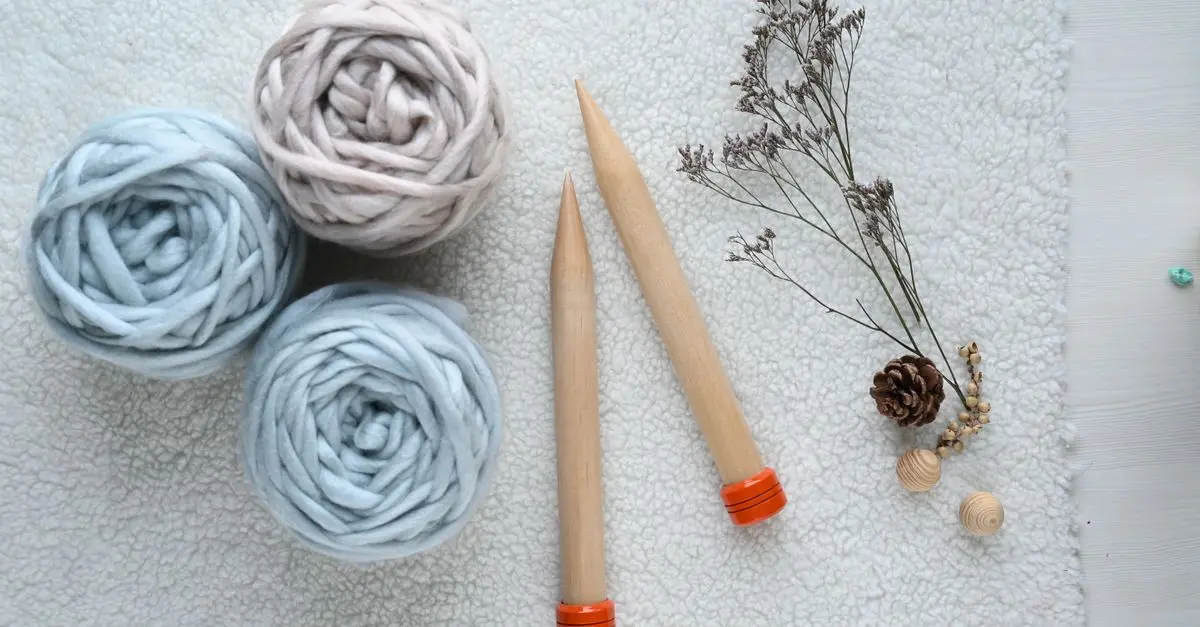
Selecting the appropriate yarn and needles is the cornerstone of any successful knitting project. Natural fibres like wool are perfect for warm clothing due to their insulating properties. According to UFC-Que Choisir, natural fibres not only provide warmth but are also breathable. For beginners, chunky yarns are a great choice as they make the project progress visibly faster, which can be very encouraging.
💡 Pro Tip: Start with 5 mm needles; they offer a good balance between control and speed for beginners.
Step 2: Starting a Simple Scarf
A scarf is the quintessential beginner project. To begin, cast on 20-30 stitches depending on how wide you'd like your scarf to be. Use the garter stitch, a simple knit stitch repeated on each row. It’s forgiving and perfect for beginners as it lays flat, avoiding any curling edges.
🧠 Quiz rapide : What is the most beginner-friendly stitch for scarves?
- A) Stockinette
- B) Garter
- C) Rib
Réponse : B — Garter stitch is simple and lies flat.
Step 3: Mastering the Basics with a Hat
Once you're comfortable with the scarf, a knitted hat is a natural progression. Using a circular needle and a basic pattern, you'll learn to knit in the round. This method helps you understand decreasing stitches to give shape to the crown of the hat.
💡 Experienced Tip: Use a lifeline—a contrasting colour yarn threaded through your work—to easily rip back in case of mistakes without losing your place.
Step 4: Knitting Mittens
Mittens are both functional and fashionable. The challenge is slightly increased with the need to create finger openings. Start by knitting a tube in the round, and introduce simple increases for the thumb gusset. According to Les Numériques, using DPNs (double-pointed needles) helps with flexibility in managing small stitch counts.
Step 5: Crafting Your First Blanket
A step up in terms of time investment, a blanket is an ultimate test of your patience and perseverance. Choose a pattern that combines different squares or strips knitted in various stitches. This not only keeps you engaged but also provides a platform for learning different techniques.
📺 Resource Video
> 📺 For further learning: Beginner Knitting Patterns, a comprehensive guide on mastering these knitting basics. Search on YouTube: "beginner knitting patterns tutorial".
Step 6: Understanding Finishing Techniques
Finishing includes weaving in loose ends and blocking your finished piece. Blocking is crucial—it gives the piece its final shape and ensures the fabric is even and the stitches look consistent as per a 2025 study by ADEME on textile management.
💡 Important Note: Always use a blocking mat and pins for precision.
Comparison of Knitting Projects
| Project Type | Difficulty | Time Required | Best Yarns | Key Skill |
|---|---|---|---|---|
| Scarf | Easy | Low | Wool | Garter stitch |
| Hat | Medium | Medium | Acrylic | Circular knitting |
| Mittens | Medium | Medium | Wool blend | Thumb gusset |
| Blanket | High | High | Cotton | Varying stitches |
Glossary
| Term | Definition |
|---|---|
| Garter Stitch | A basic stitch pattern used in knitting, consisting of knitting every row |
| Blocking | The process of setting the shape and dimensions of your knitting pieces |
| Circular Needles | Needles used for knitting in the round, connected by a flexible cord |
Checklist for Knitting Success
- [ ] Choose the right yarn and needles
- [ ] Master the garter stitch
- [ ] Practice knitting in the round
- [ ] Attempt decreasing for shaping
- [ ] Learn finishing techniques
Conclusion
Embrace the joy of DIY knitting projects and feel the warmth of your crafty creations envelop you. With each stitch, you're not just fabricating a piece of clothing but stitching in memories and warmth.
Q: What is the best yarn for beginners?
A: Wool is great for beginners due to its elasticity and warmth.
Q: How do I start a knitting project?
A: Begin by choosing your pattern, gathering materials, and following a step-by-step guide.
Q: What is the purpose of blocking?
A: Blocking helps even out stitches and maintain the correct fabric shape.
Q: Can I knit without patterns?
A: Yes, once you're comfortable, you can improvise simple designs based on your skills.