Contents (14 sections)
What is Upcycling and Why it Matters
Upcycling involves transforming waste materials or unwanted products into new materials or items of better quality or environmental value. Unlike recycling, which breaks down products, upcycling is about creative reuse, preserving the original materials and their value. This practice is becoming increasingly important in 2026 as sustainability goals become more pressing due to climate change and resource scarcity. According to ADEME, reducing waste through upcycling can significantly decrease the carbon footprint, as manufacturing processes often contribute to 80% of a product’s carbon emissions. By embracing upcycling, individuals can contribute to a circular economy, where resources are reused and repurposed rather than disposed of.
How to Start Your Upcycling Journey
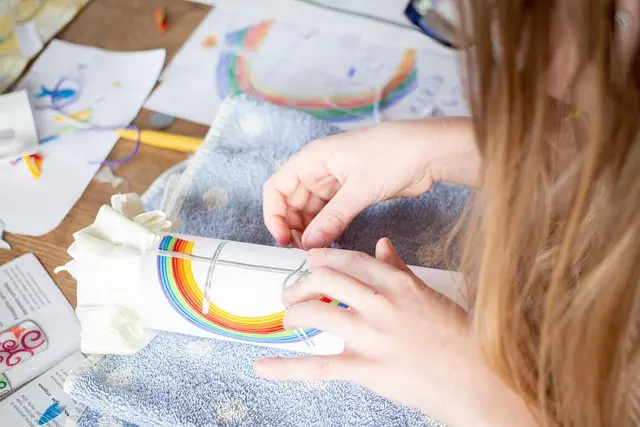
Starting upcycling can seem daunting, but with a few simple steps, anyone can transform waste into new treasures. The first step is to identify materials commonly wasted but easily upcycled such as glass jars, wooden pallets, or old textiles. Next, gather essential tools like glue, paint, and screws. Create a designated workspace, ensuring it is well-organised and inspirational. Consider taking inspiration from platforms like Pinterest or specific YouTube channels dedicated to DIY crafts. It’s important to start with small projects to build confidence. For instance, repurposing glass jars into storage containers can be a simple yet satisfying start. Remember to document your projects on social media to inspire others and build a community around sustainable practices.
Creative Upcycling Projects Ideas
Here are some exciting upcycling projects to consider:
- Mason Jar Lanterns: Convert old mason jars into beautiful lanterns for your garden by adding solar-powered lights.
- Pallet Furniture: Transform wooden pallets into stylish furniture pieces like coffee tables or outdoor benches.
- Denim Planters: Use old denim jeans as unique planters by filling them with soil and attaching them to walls for a vertical garden.
- Wine Bottle Lights: Create striking lights by inserting fairy lights into empty wine bottles.
- Cork Coasters: Craft stylish coasters from wine corks, creatively glued and shaped.
- Sweater Pillows: Turn old sweaters into cosy, plush pillows that add warmth to your living space.
- Tin Can Organisers: Use decorated tin cans to organise office supplies or kitchen utensils.
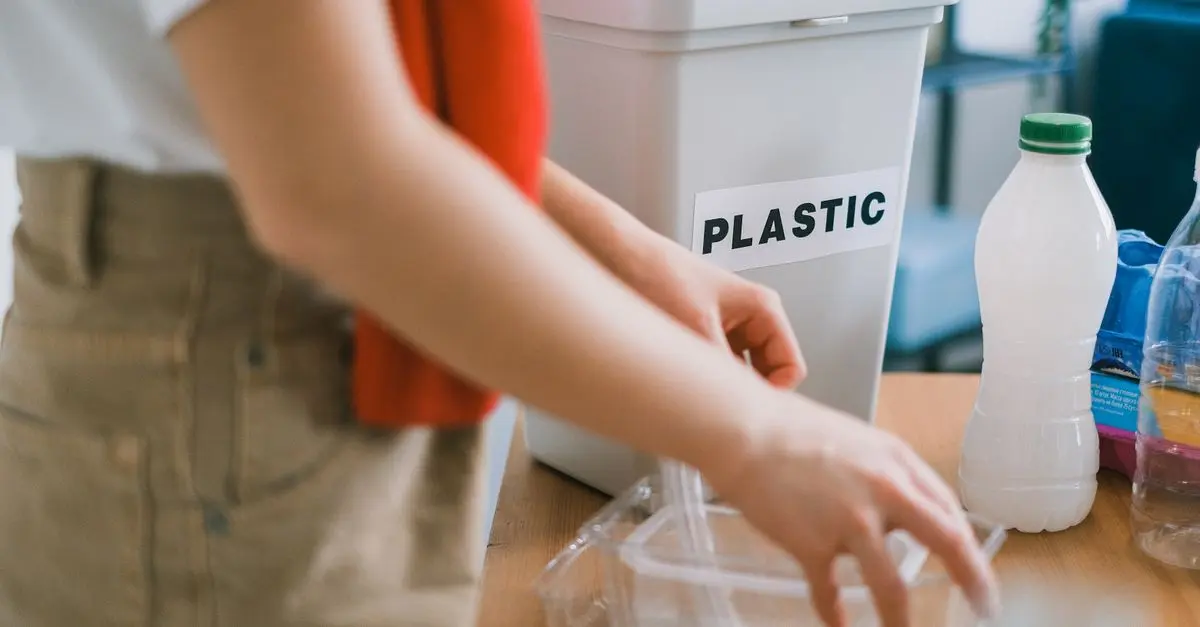
- Plastic Bottle Garden: Reuse plastic bottles as hanging gardens, ideal for herbs and small plants.
Material Comparison for Upcycling
| Material | Durability | Ease of Use | Versatility | Best Project Ideas |
|---|---|---|---|---|
| Glass Jars | High | Moderate | High | Lanterns, Storage |
| Wooden Pallets | Very High | Moderate | High | Furniture, Planters |
| Textiles | Variable | Easy | High | Cushion Covers, Bags |
| Plastic Bottles | Low | Easy | Moderate | Garden Planters, Storage |
Upcycling Trends and Statistics
Upcycling is on the rise, influenced by eco-conscious movements and the zero-waste trend. According to UFC-Que Choisir, upcycling activities increased by 35% from 2024 to 2026. This upsurge reflects a broader societal shift towards sustainability, where individuals prefer uniqueness and eco-friendliness over mass production. An estimated 60 million tonnes of waste can potentially be reduced if upcycling is integrated into more aspects of our daily lives. The fashion industry, notably, is seeing a rise in upcycled materials, with brands now offering up to 30% of their collections from upcycled sources.
📺 Video Resource
> 📺 For more insights: The Art of Upcycling: Transforming Waste into Treasure highlights diverse upcycling techniques. Search on YouTube: “upcycling techniques 2026”.
What materials are best for upcycling?
Materials that can easily be adapted and have high durability like glass, wood, and textiles are ideal for upcycling.
How can I find upcycling ideas?
Explore online resources such as Pinterest, and YouTube, or join local community workshops.
Is upcycling cost-effective?
Yes, upcycling can be very budget-friendly as it often uses readily available materials, reducing the need for new purchases.
Can upcycling reduce waste significantly?
According to studies by ADEME, upcycling can reduce up to 50% of domestic waste when actively practised.
Glossary
| Term | Definition |
|---|---|
| Upcycling | Transforming waste materials into new products of higher value. |
| Circular Economy | An economic model aimed at eliminating waste through continual use of resources. |
| Zero-Waste | A philosophy encouraging the redesign of resource life cycles so all products are reused. |
Checklist
- [ ] Identify suitable waste materials at home
- [ ] Gather necessary tools and supplies
- [ ] Set up a creative workspace
- [ ] Choose a beginner project
- [ ] Share finished projects on social media for community engagement
🧠 Quiz rapide: What is the main goal of upcycling?
- A) To breakdown products for reuse
- B) To transform waste into value-added items
- C) To incinerate waste
Réponse: B — Upcycling enhances the value and extends the lifecycle of materials.