Contents (15 sections)
Why Choose DIY Outdoor Furniture
Creating your own DIY outdoor furniture is not only cost-effective but also a rewarding way to personalise your living space. It allows you to tailor pieces to your specific needs and styles. Unlike store-bought items, which might not fit perfectly in your space or match your desired aesthetic, homemade furniture provides flexibility. According to UFC-Que Choisir, many store-bought outdoor furniture pieces can be less durable [Source: quechoisir.org]. By making your own, you ensure the use of high-quality materials and craftsmanship.
Moreover, crafting outdoor furniture is an engaging process that can boost your creativity and skill set. You can choose sustainable materials, which is better for the environment—a factor strongly advocated by ADEME [Source : ademe.fr]. Enjoy the satisfaction of completing a tangible project that enhances your home every day.
Gathering Your Materials
Before starting any project, gathering the right materials is crucial. Begin with the basics: wood, nails, screws, a hammer, and a saw. For upholstered seating, you might need fabric and cushions. Visit local hardware stores for competitive pricing, or consider reclaimed wood for an eco-friendly and unique appearance. According to feedback from DIY enthusiasts, B&Q and Homebase offer a variety of quality materials at affordable prices.
Ensure you also have safety equipment like gloves and goggles. An often overlooked tip is to check online forums for bulk deals on building supplies. Planning your materials carefully can make the difference between a successful project and constant trips back to the shop.
Building a Simple Patio Chair
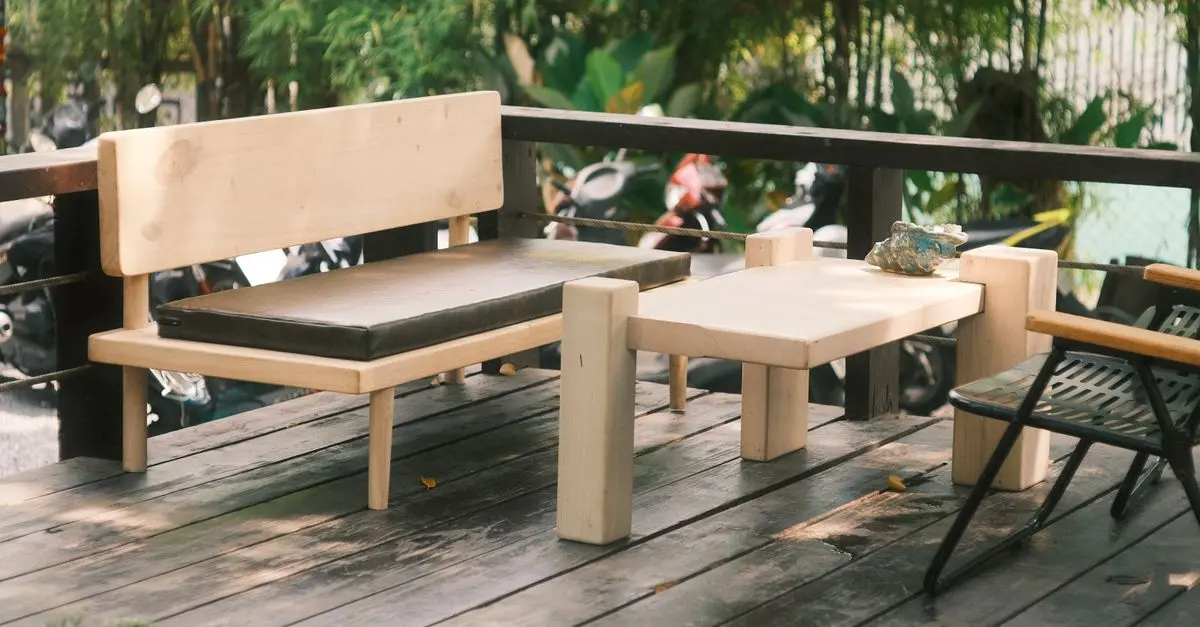
To start, let's build a simple patio chair, perfect for any outdoor space. First, measure and cut your wood. You'll need four legs, a seat base, and a backrest. Attach the legs to the seat base using screws and ensure they are even. Use joining brackets if necessary to secure the joints firmly.
Next, fix the backrest by attaching it at a comfortable angle. Sand the edges to avoid splinters, then apply a weather-resistant finish to protect against the elements. Finally, consider adding cushions for extra comfort. This straightforward project should take no more than a weekend to complete, providing a comfortable addition to your patio space.
Crafting a Rustic Coffee Table
A rustic coffee table complements your seating area. Start with a sturdy wooden pallet, a popular choice for its durability and aesthetic. After sanding, stack two pallets and secure them with nails. For legs, use robust wooden beams or metal piping, depending on your preference. Securely fasten the legs to the table's corners.
Finish the table with a coat of outdoor varnish. This helps maintain its rustic charm while protecting against moisture. Add personal flair with mosaic tiles or a glass top if desired. Building a coffee table is a novice-friendly project that balances form and function.
Adding Personal Touches
Personalisation sets your furniture apart. Use eco-friendly paints and stains for a bespoke finish. Stencils can add unique patterns and designs. Consider integrating lighting features like solar LED string lights for evening use.
Plant holders crafted from matching wood can tie in natural elements, creating a seamless outdoor oasis. Encourage family or friends to join the painting process for a fun group activity. Personal touches not only enhance the visual appeal but also make the space more inviting.
Maintaining Your Creations
Proper maintenance ensures longevity. Regularly check for loose joints or signs of wear. Sand rough spots and reapply finish annually to weatherproof your furniture.
Consider using furniture covers during adverse weather. According to 60 Millions de Consommateurs, prevention is more cost-effective than repair for outdoor furniture care.
How do I choose the right wood for outdoor furniture?
Select durable wood species such as teak or cedar. These woods naturally resist weather and insects.
What tools are essential for starting DIY outdoor projects?
At the minimum, you'll need a saw, hammer, drill, measuring tape, and safety gear such as gloves and goggles.
Can I use recycled materials for my furniture?
Yes, using reclaimed wood is both environmentally friendly and cost-effective. It often adds unique character.
How do I protect my furniture from the elements?
Apply a clear, outdoor-friendly sealant annually to safeguard against moisture and sun damage.
Glossary
| Term | Definition |
|---|---|
| Sealing | Process of applying a protective coating. |
| Reclaimed Wood | Previously used wood repurposed for new projects. |
| Pallet | A flat transport structure often used in crafts and upcycling. |
📺 Resource Video
> 📺 For further insights: Watch “Crafting Outdoor Furniture” for comprehensive guidance. Search on YouTube: “DIY outdoor furniture guide”.
🧠 Quiz rapide : What is the best wood for outdoor furniture?
- A) Pine
- B) Teak
- C) Oak
Réponse : B — Teak is weather-resistant and durable.