Contents (12 sections)
Boosting productivity in your home office starts with efficient organisation. Here, we explore practical DIY home office organisation strategies that enhance your workspace. Embrace simple, creative solutions that make a significant impact.
1. Evaluate Your Current Setup
Before diving into DIY solutions, assess your current workspace. Identify clutter spots and areas lacking functionality. According to UFC-Que Choisir, an organised environment can increase productivity by up to 25%. Create a list of problem areas to target and envision how you'd prefer them to function. This step lays the foundation for an effective transformation.
2. Declutter and Simplify
Begin by decluttering your workspace. Remove items that serve no functional purpose. Marie Kondo, a decluttering expert, suggests keeping only items that “spark joy.” Use storage boxes or repurpose jars for stationery. The key is to simplify and create a space that invites productivity. Remember, less is often more.
3. Implement Vertical Storage Solutions
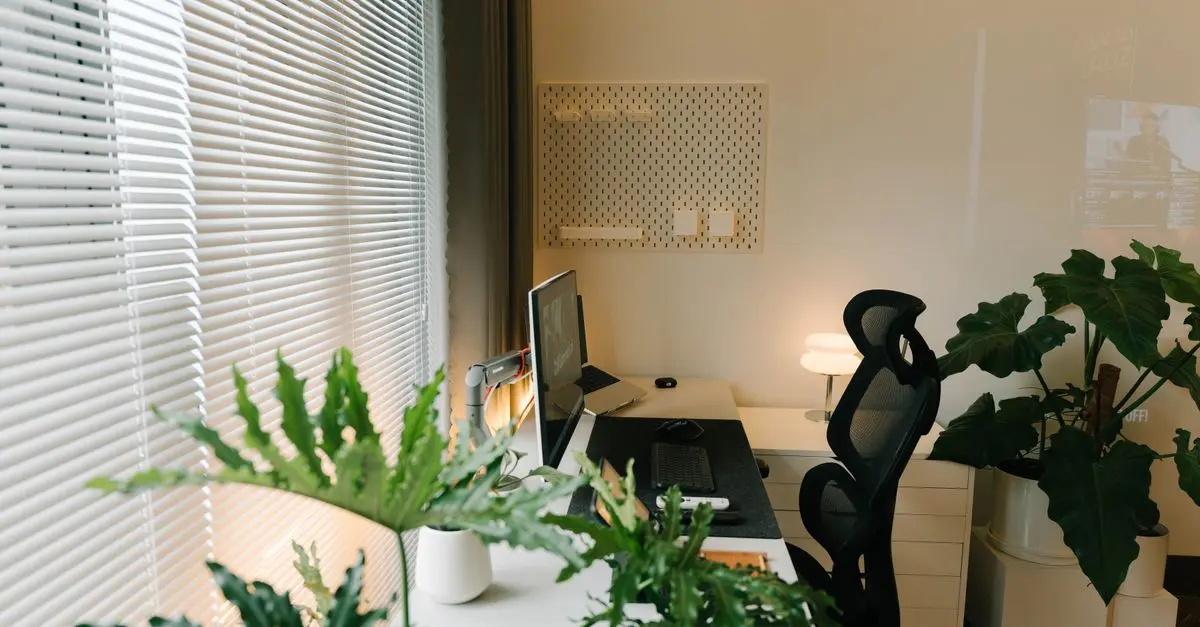
Make the most of your space by going vertical. Shelving units, pegboards, and wall-mounted organisers can transform unused walls into productive areas. According to a study by the British Council for Offices, 74% of office workers believe that adaptable spaces lead to higher performance. Maximise your vertical space to organise supplies and keep essentials within arm's reach.
4. Create Dedicated Zones
Segment your office into zones for different tasks — work, reference, storage. This clear division aids focus and efficiency. For example, allocate a corner for books and another for digital tools. Ikea offers modular furniture that can help define these zones without compromising your DIY ethos. Zones cultivate an environment conducive to task-oriented mentality.
5. Opt for Cable Management Solutions
Minimise cable chaos using cable clips and raceways to hide and organise cords. A tidy desk with minimal visible cables reduces distractions. Research from the University of Exeter shows that clutter-free environments can improve concentration levels by up to 18%. Label your cables for easy identification.
6. Personalise with DIY Decor
Add a personal touch with DIY decor to inspire creativity. Consider painting an accent wall in a calming hue or displaying DIY artwork. Pinterest is an excellent resource for creative DIY decor ideas. Personalisation fosters a connection to your workspace, making it a more inviting and enjoyable place to spend your time.
7. Maintain Order with a Routine
Establish a routine for maintaining your newly organised space. Spend 5-10 minutes each day to tidy up. Consistency is key. Use a checklist to instil habits that keep your workspace looking and functioning at its best. Regular updates to your setup can also refresh the space and keep it aligned with your evolving needs.
📺 Ressource Vidéo
> 📺 Enhance Your Workspace: Watch for DIY office organisation tips. Search on YouTube: "DIY office organisation hacks 2026".
Comparative Analysis: Storage Solutions
| Solution | Cost | Ease of Installation | Effectiveness |
|---|---|---|---|
| Shelving Units | Moderate | Easy | High |
| Pegboards | Low | Moderate | Moderate |
| Cable Raceways | Low | Easy | High |
| Term | Definition |
|---|---|
| Decluttering | The process of removing unnecessary items from a space to enhance functionality. |
| Vertical Storage | Utilising vertical space to create additional storage opportunities. |
| Cable Management | Organising electrical and data cables to prevent tangling and improve aesthetics. |
🧠 Quiz rapide : Which strategy maximises space efficiency?
- A) Decluttering
- B) Vertical storage solutions
- C) Creating zones
Réponse : B — Vertical storage utilises otherwise unused space.