Contents (12 sections)
Creating your own candles at home is a rewarding hobby that combines creativity with practicality. In this guide, we'll explore the process of making candles from scratch using simple materials and methods.
1. Gather Your Materials
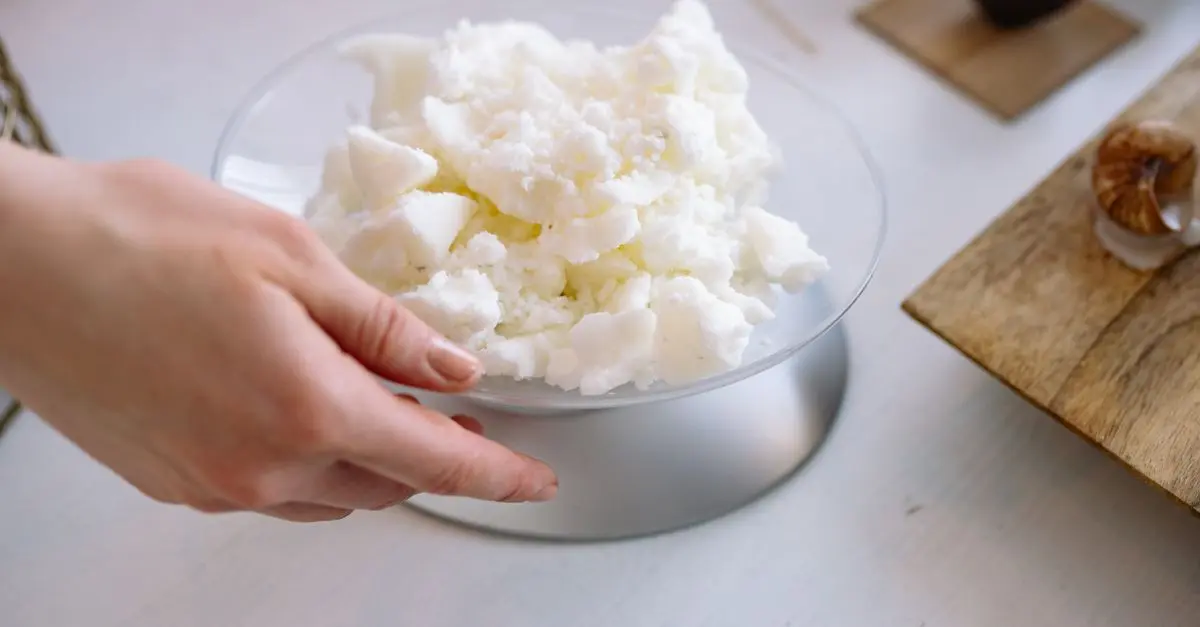
To start making candles at home, gather the necessary materials. You'll need wax, wick, fragrance oils, and a container for the candle. Choose wax that suits your desired outcome, like soy wax for a cleaner burn. According to UFC-Que Choisir, soy wax is an eco-friendly option, emitting less soot than paraffin wax. Additionally, you’ll need a double boiler or microwave-safe container for melting the wax.
2. Prepare the Wick
Once you've selected your materials, prepare the wick. Cut it to extend about 5 cm beyond the candle jar's height. Securing the wick in place is vital to ensure a uniform burn. Use a wick holder or secure it with a clothespin placed across the jar’s top. This will keep it centred as the wax hardens.
3. Melt the Wax
Melt your wax using a double boiler or a microwave. 60 Millions de Consommateurs suggests using a thermometer to monitor the wax temperature, ensuring it doesn't exceed 82°C, which can alter its properties. Stir continuously if heating in a double boiler and avoid overheating by melting in short bursts if using a microwave.
4. Add Fragrance and Colour
Once the wax is melted, it's time to add fragrance and colour. Stir in fragrance oils when the wax cools to around 65°C, balancing the scent’s strength and subtlety. Similarly, add dye for colour, ensuring they are thoroughly mixed without bubbling.
5. Pour the Wax into Moulds
Carefully pour the wax into your prepared container with the secured wick. Doing this slowly helps avoid air bubbles that can mar the candle’s surface. Allow it to cool at room temperature until it's fully set, which typically takes about 24 hours.
6. Trim the Wick
Once your candle has completely set, it's essential to trim the wick to about 1 cm. This promotes a cleaner burn and reduces soot production. An excessively long wick can cause uneven burning or a large flame.
7. Enjoy Your Homemade Candle
Now that you've crafted your candle, enjoy the soothing ambience it provides. From adding to your home decor to personal use or gifting, handmade candles offer personal satisfaction and uniqueness.
📺 Resource Video
📺 For further guidance: How to Make Scented Candles Aesthetic at Home. Watch a comprehensive walkthrough on creating beautiful homemade candles. Search on YouTube: "DIY candle making tutorial".
Comparative Table of Wax Types
| Wax Type | Eco-Friendly | Soot Production | Preferred Use | Verdict |
|---|---|---|---|---|
| Paraffin | No | High | Affordable | Suitable for beginners |
| Soy | Yes | Low | Cleaner burn | Best overall choice |
| Beeswax | Yes | Very Low | Natural scent | Ideal for uniqueness |
| Gel | No | Depends on blend | Clear finish | Good for decor |
| Term | Definition |
|---|---|
| Wick | A piece of string or cord in the centre of the candle that is lit. |
| Soy Wax | A vegetable wax made from soybean oil, known for clean burning. |
| Fragrance Oil | Scented oil used to add aroma to candles. |
- [ ] Gather materials: wax, wick, fragrance oil.
- [ ] Prepare and centre wick.
- [ ] Melt wax safely.
- [ ] Add fragrance and desired colouring.
- [ ] Pour wax into container, let cool.
- [ ] Trim wick for optimal burning.
- [ ] Enjoy your handcrafted candle.
🧠 Quick Quiz: What's the optimal wax melting temperature?
- A) 70°C
- B) 82°C
- C) 90°C
Answer: B — Never exceed 82°C to maintain wax properties.