Contents (13 sections)
Introduction
Choosing the right lighting can significantly impact the success of your DIY projects. The debate between LED lights vs traditional bulbs is more relevant than ever. This article will help you understand which lighting option best fits your DIY needs by comparing various aspects, including energy efficiency and cost.
Understanding Lighting Options
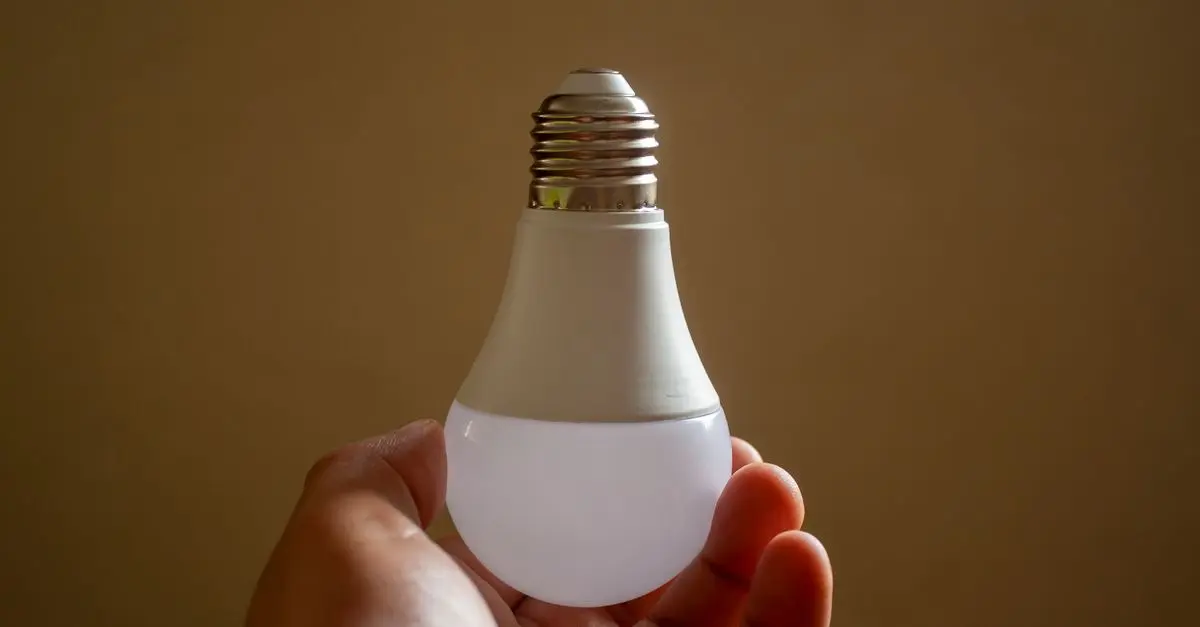
LED (Light Emitting Diode) lights and traditional bulbs, including incandescent and halogen types, serve as the primary contenders. LED lights are known for their efficiency, using less energy while providing the same amount of light as traditional bulbs. According to UFC-Que Choisir, many households now prefer LEDs due to their reduced environmental impact and longer lifespan.
In contrast, traditional bulbs have been favoured for their warmer tones and lower upfront cost. However, they consume more electricity and have shorter lifespans. While traditional bulbs might be economising initially, the longevity and efficiency of LEDs often surpass these savings over time.
💡 Avis d'expert: LEDs are vital in modern lighting, providing a cost-effective and greener solution over traditional lighting, especially in scenarios where long-term use and efficiency are paramount.
DIY Project Needs
Lighting is crucial in DIY projects not only to help see better but also to achieve the desired aesthetic. LED lights are versatile and come in various shapes, colours, and brightness levels, making them perfect for intricate or artistic DIY projects. For instance, if you're working on a craft project, LEDs provide consistent lighting over extended hours.
Traditional bulbs, with their warm light, might offer a more ambient atmosphere, suitable for projects needing atmospheric lighting, like creating mood lighting in a room. However, their increased heat emission might be a concern if used extensively.
Energy Efficiency and Cost
LEDs consume up to 80% less energy than incandescent bulbs, as reported by l'ADEME. While the initial cost of LEDs can be higher, their reduced energy consumption leads to significant savings over time. Traditional bulbs use more energy and generate higher electricity bills, making them less economical in the long run.
| Criteria | LED Lights | Traditional Bulbs | Verdict |
|---|---|---|---|
| Energy consumption | Low (80% less) | High | LED is better |
| Heat emission | Minimal | High | LED is better |
| Initial cost | Higher | Lower | Depends on budget |
LED lights have a much longer lifespan compared to traditional bulbs. According to Les Numériques, LEDs can last up to 25,000 hours, while traditional bulbs may last around 1,000 hours. This difference in durability can result in fewer bulb replacements and less maintenance, which is particularly advantageous for ongoing DIY projects.
Traditional bulbs, due to their filament, are more susceptible to damage from vibrations or changes in temperature, further shortening their lifespan, especially in active environments.
Environmental Impact
The environmental benefits of LEDs include lower energy demands and reduced CO2 emissions. The ADEME highlights that widespread adoption of LEDs could lead to significant environmental savings. Additionally, LEDs do not contain hazardous substances that are often found in traditional bulbs.
Traditional bulbs not only contribute more to landfill due to their shorter lifespan but also increase carbon footprints due to their higher energy requirements.
Price and Availability
LED lights have become increasingly affordable and widely available as technology advances. Major retailers often stock a variety of LED options suitable for different settings. While the initial cost is generally higher, government initiatives and rebates can reduce this expenditure, as noted by government regulations on energy-saving products.
Traditional bulbs are usually cheaper to purchase initially but consider both the frequency of replacement and ongoing energy costs when calculating their true expense.
Final Verdict
For most DIY enthusiasts, LED lights are the go-to option due to their versatility, efficiency, and sustainable benefits. However, if the project requires a specific light ambiance or budget constraints are in place, traditional bulbs may still have a role.
📺 Pour aller plus loin: Comprehensive Comparison: LED vs Traditional Bulbs, detailing energy savings and longevity benefits. Search on YouTube: "LED vs traditional bulb comparison DIY".
Checklist avant achat
- [ ] Assess your DIY project's lighting needs
- [ ] Compare energy consumption of lighting options
- [ ] Consider the longevity and maintenance frequency
- [ ] Evaluate environmental impact and sustainability
- [ ] Check for government rebates on LED purchases
📺 Ressource Vidéo
📺 Pour aller plus loin : How to Choose Lighting for DIY Projects, a thorough exploration of lighting options. Search on YouTube: "choosing lighting for DIY projects".
🧠 Quiz rapide
🧠 Quiz rapide : Which bulb option is more energy-efficient over time?
- A) Traditional bulbs
- B) LED lights
- C) Fluorescent lights
Réponse : B — LED lights are more energy-efficient, saving up to 80% energy.
Glossaire
| Terme | Définition |
|---|---|
| LED | Light Emitting Diodes, energy-efficient lighting technology |
| Incandescent Bulbs | Traditional bulbs that produce light through wire filament heating |
| L'ADEME | Agence de l'Environnement et de la Maîtrise de l'Énergie, French environment agency |