Contents (14 sections)
What is Leather Crafting?
Leather crafting is the art of creating items from leather through cutting, stitching, and shaping. It has been a staple in human culture for centuries, serving both functional and aesthetic purposes. As of 2026, leather crafting remains popular among DIY enthusiasts and professional artisans alike, thanks to its versatility and the unique tactile experience it offers.
Leather is valued not only for its durability but also for its ability to develop a beautiful patina over time, which adds character to any crafted piece. Whether you're creating a simple keychain or an elaborate bag, understanding the basics of leather crafting is essential for achieving the desired results.
Essential Tools for Leather Crafting
A successful leather crafting project requires a set of fundamental tools. Starting with high-quality leather crafting tools can make a significant difference in your projects:
- Cutting Tools: A sharp utility knife or rotary cutter is crucial for precise cutting. Beginners often overlook the importance of a sharp blade, but accurate cuts are fundamental.
- Stitching Awl: This tool is used to make holes in leather before stitching. It ensures that your stitches are neat and evenly spaced, a common challenge for novices.
- Edge Beveler: This tool helps in rounding off the edges of leather to give a professional look. Bevelled edges not only look better but also hold up better over time.
- Mallet and Punches: These are used to punch holes in leather. A solid mallet made from wood or rubber and a set of punches help achieve clean holes without damaging the leather.
- Stitching Needles and Thread: Waxed thread and sturdy needles are necessities. The right combination will provide strength and flexibility to your seam.
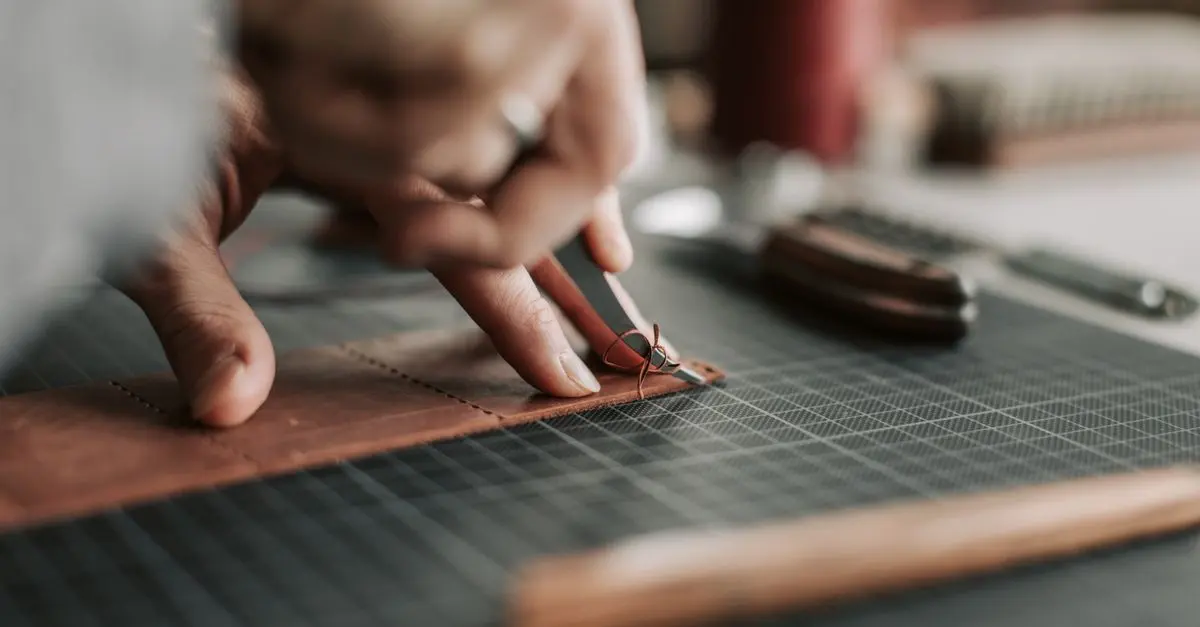
💡 Pro Tip: Invest in a self-healing cutting mat to protect your workspace and extend the life of your blades.
Step-by-Step Leather Crafting Guide
To kickstart your journey into leather crafting, follow these detailed steps:
- Select Your Leather: Choose leather based on your project needs. Vegetable-tanned leather is a great choice for most projects because it is pliable and takes stains well.
- Prepare Your Pattern: Create or find a pattern that outlines the pieces you'll be cutting. This step prevents material wastage and ensures a better fit.
- Cut the Leather: Using your chosen tool, cut the leather according to your pattern. Ensure all cuts are precise, as this will affect the final product's fit.
- Punch Holes for Stitching: Use an awl to carefully punch holes along the edges of pieces that will be stitched together. The spacing is crucial here—too far apart, and your stitches won't hold; too close, and you might tear the leather.
- Bevel the Edges: Using an edge beveler, smoothen the edges for a finished look. This can prevent fraying and improve leather durability.
- Stitch the Pieces Together: Thread your needle and begin stitching through the pre-punched holes. A saddle stitch provides a robust and durable seam.
- Finish and Protect: Apply a leather conditioner or a finish to protect your work from moisture and wear. This final step enhances the leather's appearance and longevity.
🧠 Quiz rapide : Quel outil est essentiel pour créer des trous avant la couture?
- A) Cutter
- B) Stitching Awl
- C) Edge Beveler
Réponse : B — L’outil utilise pour des trous avant la couture est le Spike rivet.
Comparison of Tools
| Tool | Function | Pros | Cons |
|---|---|---|---|
| Utility Knife | Cutting | Precise | Requires sharpening |
| Stitching Awl | Hole making | Uniform holes | Initial technique learning curve |
| Edge Beveler | Edge finishing | Professional look | Limited to edge work |
| Mallet & Punch | Hole punching | Clean holes | Requires space |
Industry Trends and Insights
The global leather crafting industry, valued at billions, continues to see growth. This is supported by the rising popularity of bespoke handbags and leather accessories in fashion. According to INSEE (2025), interest in DIY projects has doubled in the past five years, with leather crafting being one of the top picks.
💡 Expert Insight: According to UFC-Que Choisir, choosing the right leather quality can impact the final product's durability and aesthetic appeal significantly.
📺 Ressource Vidéo
> 📺 Pour aller plus loin : Introduction to Basic Leather Crafting Techniques, une analyse complète des outils et méthodes essentiels. Recherchez sur YouTube : basic leather crafting techniques 2026.
Frequently Asked Questions
What are the best leather crafting tools for beginners?
For beginners, investing in basic tools like a utility knife, stitching awl, and mallet and punches will get you off to a great start.
How can I maintain my leather crafting tools?
Keep them clean and store them properly. Use oil to keep metal tools free from rust.
How do I choose the right type of leather?
Consider the project's purpose and desired flexibility. Vegetable-tanned leather is suitable for most projects.
Where can I find leather crafting patterns?
Patterns are widely available online on craft websites or leather supplier portals.
Glossary
| Term | Definition |
|---|---|
| Saddle Stitch | A manual sewing technique that is both strong and decorative. |
| Patina | The sheen or gloss that develops on leather with age and use. |
| Vegetable-tanned Leather | Leather tanned using tannins from vegetables, known for its natural finish and dyeability. |
Checklist Before Starting
- [ ] Gather all necessary tools
- [ ] Select appropriate leather
- [ ] Prepare a workspace with a cutting mat
- [ ] Choose a simple pattern for beginners
- [ ] Verify all edges are bevelled
- [ ] Condition leather after crafting
Note: Using proper tools and techniques is vital for ensuring quality workmanship in leather crafting.