Contents (15 sections)
Pottery is an ancient art that continues to captivate with its blend of creativity and craftsmanship. Beginning this journey can be both exciting and daunting, but with the right guidance, you can create stunning pieces. This tutorial will guide you through essential techniques and tips to help you thrive in pottery craft for beginners.
Understanding Pottery Craft
Pottery craft involves the creation of ceramic objects using clay. It's an expressive art that offers a tactile experience, allowing you to shape materials with your hands or tools. Pottery can be functional, like bowls and cups, or decorative, like sculptures. Starting with pottery not only improves your artistic skills but also brings tranquillity and personal satisfaction. It's essential to understand the basics, from selecting the right type of clay to knowing various pottery techniques.
Essential Materials and Tools
For beginners, it's crucial to gather the necessary tools and materials. You'll need clay, a potter's wheel (optional for hand-building techniques), kiln, and some basic tools such as cutting wires, rib tools, and rolling pins. Tools like sponges, brushes, and loop tools further help in refining your pottery pieces. According to feedback from beginners, investing in quality tools can significantly affect the ease of your crafting process.
Step-by-Step Guide to Starting Pottery
Step 1: Choose Your Clay
Selecting the right type of clay is foundational. The three main types are earthenware, stoneware, and porcelain. Each has different properties and firing temperatures. Earthenware is porous and fired at low temperatures, making it ideal for beginners due to its forgiving nature. Consider also your project type; functional pieces might benefit from more durable stoneware.
Step 2: Prepare Your Workspace
Creating a conducive workspace enhances productivity. Ensure you have a clean, flat surface covered with a canvas or cloth to prevent stickiness. Good lighting is essential for detail-oriented work, while adequate ventilation is crucial for dealing with dust and fumes, making sure your craft remains a safe hobby.
Step 3: Start with Hand-Building Techniques
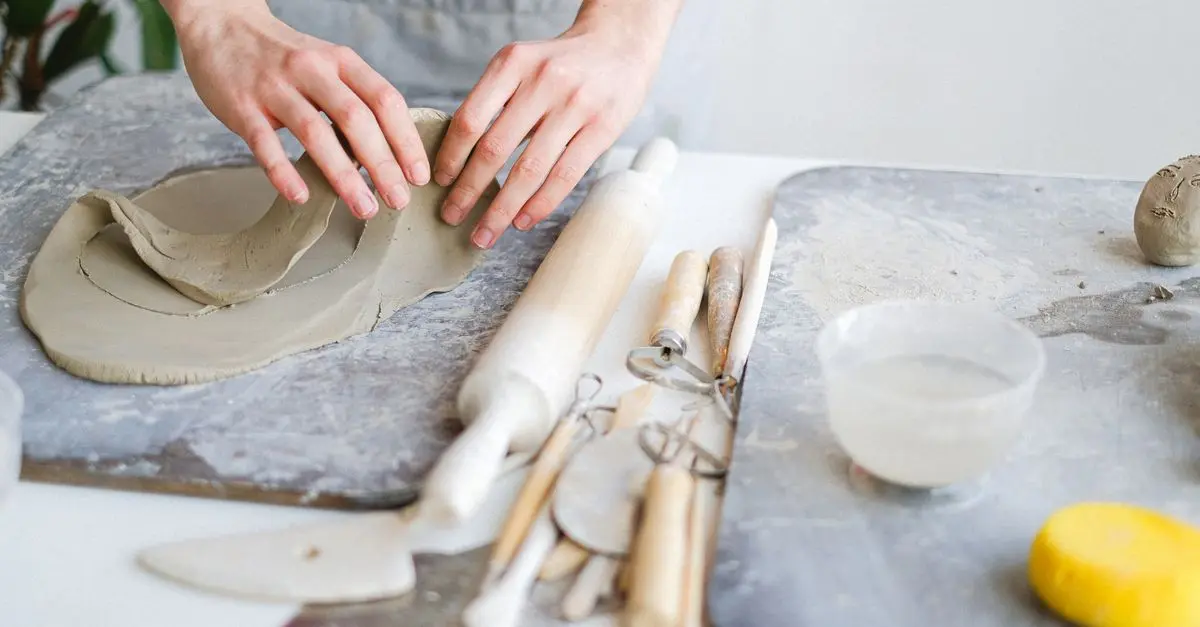
Beginners should start with hand-building techniques like pinching, coil building, and slab construction. These methods allow you to experiment without a potter's wheel. Hand-building is an intuitive and flexible way to shape your first pieces, giving insight into textures and shapes. Remember, practice is key.
Step 4: Experiment with the Potter's Wheel
Once comfortable, explore using a potter's wheel. This tool provides precision and a professional finish. Focus on mastering centring the clay, which is often the toughest aspect for novices. Don't rush; even experienced potters emphasize patience and gradual improvement.
Step 5: Dry and Fire Your Pieces
Allow your pieces to dry slowly to prevent cracking. A kiln is needed to fire your pieces and make them permanent. Beginners should follow strict guidelines regarding temperature settings based on clay type. Test firing a few smaller items can help avoid accidents.
Step 6: Glazing and Decorating
Adding glazes and decorations enhances your pottery's appearance and practicality. Experiment with colours and layering techniques to find what works best for your artistic vision. Ensure your glaze is suitable for your clay type and firing temperature to prevent defects.
Comparisons: Hand-Building vs Wheel Throwing
| Criteria | Hand-Building | Wheel Throwing | Ideal For |
|---|---|---|---|
| Complexity | Simpler techniques | Technically demanding | Beginners first, experts later |
| Cost | Affordable | Costlier due to equipment | Budget considerations |
| Control | More artistic freedom | Precision in shapes | Artistic expression vs Utility |
| Learning curve | Gentle | Steeper | Eases into hobby |
📺 For more details: Introduction to Pottery Making, a full overview on the techniques discussed. Search YouTube for: "beginner pottery techniques tutorial".
Common Questions About Pottery
- What type of clay should beginners use?
- Beginners are recommended to start with earthenware due to its forgiving nature and lower firing temperatures.
- Is a kiln necessary for pottery?
- Yes, a kiln is essential for firing and hardening your pottery pieces permanently.
- How do I avoid cracks in my pottery?
- Ensure slow drying times, even moisture distribution, and appropriate kiln temperatures to avoid cracks.
- Can I glaze pottery at home?
- Yes, once fired, you can apply glazes based on your clay type, following safety guidelines to prevent toxic fumes.
Checklist
- [ ] Choose the right type of clay
- [ ] Prepare a suitable workspace
- [ ] Start with hand-building techniques
- [ ] Experiment with the potter's wheel
- [ ] Fire your pieces correctly
- [ ] Apply glazes safely
Glossary
| Terme | Définition |
|---|---|
| Earthenware | Low-fired, porous clay ideal for beginners |
| Kiln | High-temperature oven for firing clay |
| Glaze | Finishing coat to add colour and seal pottery |