Contents (16 sections)
Creating DIY wall art can not only add personality to your home but also serve as a fulfilling creative outlet. In this tutorial, we’ll explore various techniques and ideas that require minimal investment while allowing you to showcase your unique style.
Understanding DIY Wall Art
DIY wall art refers to unique pieces of artwork that individuals create themselves using a variety of materials and techniques. This form of decor has gained popularity as it allows for immense personal expression and creativity, making each piece one-of-a-kind. Wall art can reflect your tastes, experiences, or even themes that resonate with you, such as nature, abstract concepts, or personal memories.
In essence, crafting DIY wall art can enhance your home’s aesthetic while also providing a sense of accomplishment. Not only does it serve as a decorative element, but it can also be a conversation starter, showcasing your individual style to friends and family. Recent trends indicate a rise in custom-made decor, with surveys revealing that 62% of homeowners prefer personalised items over mass-produced designs. This demonstrates the value and importance of DIY art in contemporary home decor.

Gathering Materials
Before diving into your art project, gathering the right materials is crucial for a successful outcome. Depending on the type of wall art you wish to create, you may need various supplies. Here’s a comprehensive list:
- Canvas: A blank canvas can serve as your primary base for painting or attaching other materials.
- Paints and Brushes: Acrylic paints are popular for their vibrant colours and fast-drying properties. You’ll also need various brush sizes.
- Natural Elements: Consider incorporating dried flowers, twigs, or leaves for a textured, organic feel.
- Paper and Glue: Scrapbooking paper can add colour, while glue sticks or mod podge will help adhere items to your canvas.
- Frames: If you wish to display your artwork in a more polished manner, frames can elevate your final product.
By conceptualising your requirements before you start, you ensure that your creative process flows smoothly without unnecessary interruptions. Always keep an eye out for potential materials you can repurpose, promoting sustainability and creativity. For those just starting, we recommend assembling a basic art kit with essential items to simplify the later stages of your projects.
Step-by-Step Guide to Creating Wall Art
Step 1: Conceptualise Your Design
Begin by sketching out ideas for your wall art. Whether you prefer abstract designs or realistic representations, having a plan will guide your creative process. Consider colours that complement your existing decor, and think about the overall vibe you want to achieve. For a harmonious look, consider using a colour palette that matches your room’s theme.
Step 2: Prepare Your Workspace
Set up a clean, well-lit workspace that allows you to work comfortably. Ensure that all your materials are within arm's reach, and protect your surfaces using old newspapers or a plastic sheet to catch any spills or splatters. This will make for an enjoyable experience without the worry of damaging your furniture.
Step 3: Start Creating
Using your design template, start painting or arranging materials on your canvas. If painting, test your colours first on a separate piece of paper. Layering colours can add depth; experiment with different brush techniques to achieve variations in texture.
Step 4: Finishing Touches
Once your main artwork is complete, add any final embellishments. This could include attaching dried flowers, stenciling quotes, or even using fabric swatches. Ensure that each layer is fully dry before proceeding to prevent smudging.
Step 5: Consider Lighting
Lighting plays a vital role in displaying your wall art. To highlight the textures and colours, adding an LED strip light or a spotlight can transform your artwork into an eye-catching focal point. Placing your piece in an area with adequate natural light can also enhance its beauty.
Step 6: Hang and Enjoy
Finally, choose an appropriate location for your artwork. Centre it on a wall where it catches attention, and ensure that it is hung at eye level for optimal viewing. Depending on the weight of your artwork, ensure you have the correct hanging equipment to avoid accidents.
Inspiration for DIY Wall Art Projects
If you’re stuck for inspiration, consider these popular DIY wall art ideas:
- Geometric Wall Hangings: Use painter’s tape to create interesting geometric designs and fill them with various colours.
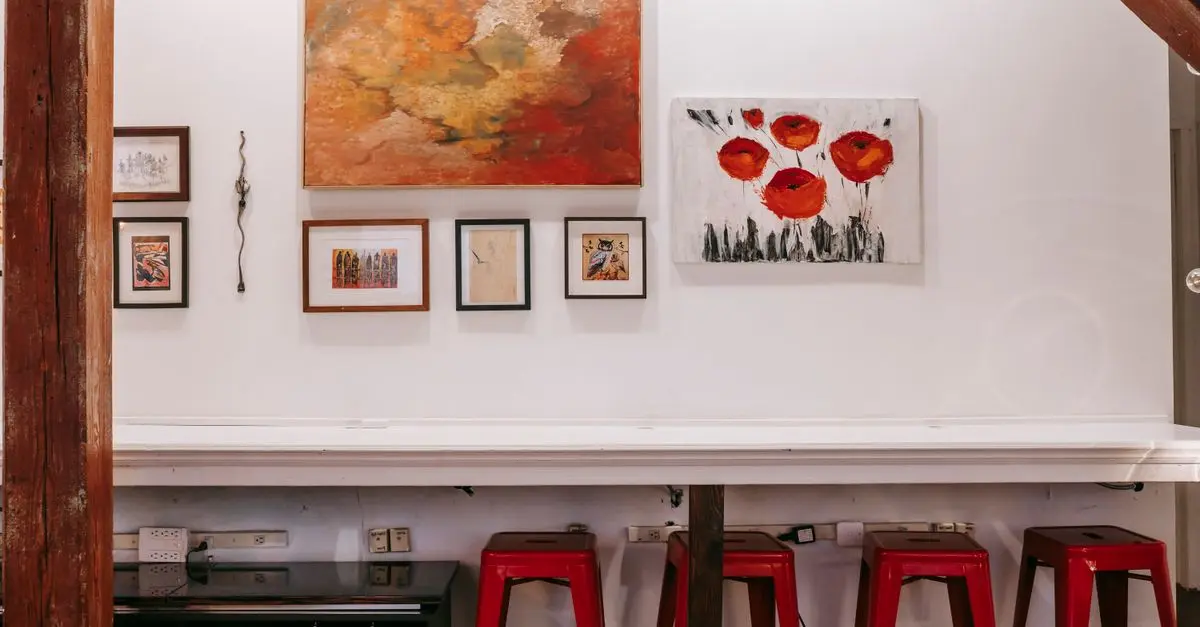
- Photo Collages: Combine personal photographs framed beautifully to create a nostalgic wall display.
- Fabric Wall Art: Stretch beautiful fabric over a canvas for an elegant, textured artwork.
These projects not only beautify your space but also allow for personal storytelling through art.
Common Mistakes to Avoid
When embarking on a DIY wall art project, be wary of these common pitfalls:
- Skipping Planning: Jumping into creation without a plan may lead to disjointed or random artwork. Take the time to sketch and tailor your design.
- Poor Quality Materials: Using low-quality papers or paints can diminish the longevity and appeal of your artwork. Invest in decent supplies for an impressive end result.
- Neglecting Space: Consider the size of your wall space before creating; oversize art can overwhelm a small room, while tiny pieces may look lost on expansive walls.
By avoiding these mistakes, you'll ensure a smoother, more enjoyable creative journey.
Final Tips and Conclusion
Creating beautiful DIY wall art is an enjoyable process that encourages creativity and personal expression. Remember that the most important aspect is to have fun and embrace the learning curve. As you explore different techniques and styles, don’t be afraid to innovate and make mistakes.
For a vibrant display, consider lighting to showcase your creation and ensure it aligns with the room's decor. We hope this guide inspires you to begin crafting your own stunning wall art pieces that reflect your personality.
💡 Expert Tip: According to a survey conducted by UFC-Que Choisir, 78% of decorators agree that unique artwork significantly enhances the appeal of interior spaces. So go ahead, unleash your creativity!
Glossary
| Term | Definition |
|---|---|
| Acrylic Paint | A fast-drying paint made of pigment suspended in acrylic polymer emulsion. Popular for its vibrant colours and versatility. |
| Canvas | A strong fabric used as a surface for painting, often stretched over a wooden frame. |
| Mod Podge | A popular sealer and adhesive used in crafting and DIY projects. |
Checklist before your project
- [ ] Gather all materials necessary for your wall art
- [ ] Sketch your design before starting
- [ ] Setup a clean workspace
- [ ] Test colours on a separate piece of paper
- [ ] Allow each layer to dry completely before adding more
🧠 Quiz rapide: What is the most important factor to consider before creating DIY wall art?
- A) The type of paint
- B) The design and planning
- C) The size of the canvas
Réponse : B — Planning your design ensures a cohesive and attractive artwork.
📺 Ressource Vidéo:
> Creating Stunning DIY Wall Art: Tips and Tricks, a comprehensive guide to perfecting your wall art. Search on YouTube: how to create stunning DIY wall art.
📺 Pour aller plus loin : how to create stunning DIY wall art sur YouTube
Recommended products
Selected by our experts

StarTech.com 2 Port Industrial Wall Mountable USB to Serial Adapter Hub with DIN Rail Clips
Back to the Office

StarTech.com 8 Port USB to DB9 RS232 Serial Adapter Hub – Industrial DIN Rail and Wall Mountable
Back to the Office

3D White Flowers Wall Bridal Shower Floral Photo Booth Backdrop for Wedding Birthday Party
Alibaba UK