Contents (9 sections)
Vertical gardens are a fantastic way to bring greenery into your home or garden, particularly if space is limited. They not only beautify your space but also provide numerous environmental benefits, such as improved air quality and biodiversity. This guide will walk you through the process of creating a stunning vertical garden, focusing on practical steps, tips, and common pitfalls.
1. Understanding the Concept of a Vertical Garden
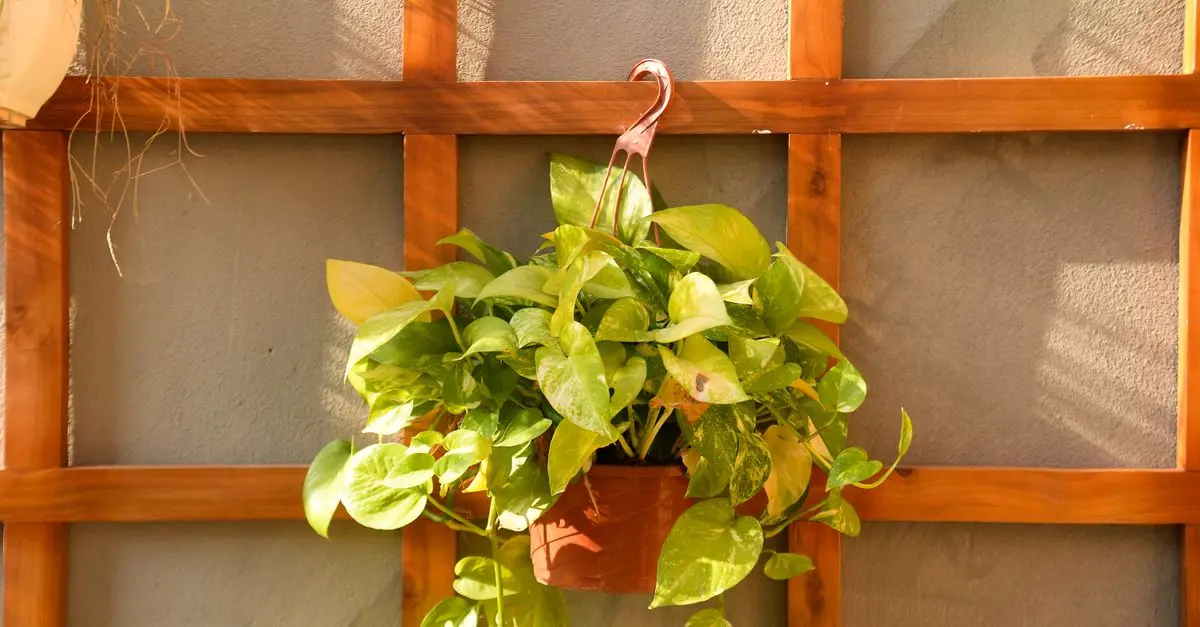
A vertical garden, also known as a living wall, is a garden that grows upwards instead of outwards. By implementing a vertical garden, you can maximise the use of space, especially in urban areas where ground space is at a premium. The concept can involve a variety of planting systems, including trellises, wall planters, and modular planting systems. According to a study published by UFC-Que Choisir, vertical gardens can increase property values by enhancing aesthetics and providing insulation against heat and noise.
Moreover, gardening vertically allows you to cultivate plants that may not thrive in your local soil types. Given the right conditions, herbs, flowers, and even vegetables can flourish in vertical setups. This technique isn’t just environmentally friendly; it’s a statement of style as well. The visual impact of a green wall can transform any dull area into a lively and inviting space.
2. Planning Your Vertical Garden
Before you get started with your vertical garden DIY project, it’s essential to plan effectively. Consider the following steps:
- Identify the Location: Choose a suitable wall or structure that receives sufficient sunlight and is easily accessible for maintenance. South-facing walls are typically the best for sun-loving plants.
- Select Your Plants: Depending on your climate, you can select from a mix of flowering plants, herbs, and even vegetables. For example, plants like geraniums, fuchsias, and chives work well.
- Choose a Structure: There are various systems available for vertical gardening, from wall-mounted planters to pocket systems and trellis designs. Each has its benefits, depending on your aesthetic preferences and the types of plants you wish to grow. According to Les Numériques, modular systems are gaining popularity for their ease of installation and versatility.
3. Creating Your Vertical Garden Structure
Now that you have your plan, it's time to create the actual structure for your vertical garden. The structure must support the weight of the plants, soil, and water. Here’s a general outline of how to proceed:
- Gather Materials: Depending on your design, you might need wooden pallets, metal grids, or specially designed vertical gardening kits. Make sure the materials are durable and suitable for outdoor or indoor use.
- Build the Framework: Assemble your chosen structure, ensuring it’s securely anchored to the wall. The frame should include drainage systems to avoid water accumulation, which can harm plant roots.
- Prepare Planting Containers: If using soil-filled containers, ensure they are lightweight and have adequate drainage. Alternatively, consider using hydroponic solutions, which can be more efficient and reduce pests.
- Plant Your Selection: When you plant, be mindful of the positioning. Taller plants should go at the top, with trailing plants cascading downwards. This arrangement creates a visually appealing layer of greenery.
4. Watering and Maintenance
Once your vertical garden is established, proper maintenance is crucial for its success. Regular watering is essential, especially during hot weather, to prevent the plants from drying out. Here are some maintenance tips:
- Establish a Watering Schedule: Depending on plant types and environmental conditions, you may need to water daily or a few times a week. Consider incorporating a drip irrigation system for efficiency, ensuring moisture reaches the roots without waterlogging the soil.
- Inspect for Pests or Diseases: Keep a close eye on your plants, looking for signs of pests or fungal infections. Early intervention can prevent larger issues. For example, neem oil is a popular organic solution for pest control.
- Regular Pruning: Trim back overgrowth and dead leaves to encourage healthy growth and maintain the aesthetics of your vertical garden. Gardening experts recommend pruning at least once a month during the growing season.
5. Troubleshooting Common Issues
Creating a vertical garden can come with its challenges. Here are some common issues that may arise and how to handle them:
- Insufficient Sunlight: If plants are not thriving, they may not be receiving enough light. Consider relocating your vertical garden or trimming back any overhanging branches.
- Water Drainage Problems: Water pooling at the base can lead to root rot. Ensure your design has proper drainage, and adjust your watering routine accordingly.
- Plant Compatibility: Not all plants thrive together. Make sure to group plants based on their sunlight and water needs to promote a healthy ecosystem.
Checklist before Getting Started
- [ ] Select a suitable wall with adequate sunlight.
- [ ] Choose the right plants for your environment.
- [ ] Gather all necessary materials and tools.
- [ ] Design your vertical garden layout.
- [ ] Plan a regular maintenance schedule.
Glossary
| Terme | Définition |
|---|---|
| Vertical Garden | A gardening technique that allows plants to grow upwards instead of outwards, usually against a wall or a frame. |
| Hydroponics | A method of growing plants without soil, using mineral nutrient solutions in a water solvent. |
| Drip Irrigation | A micro-irrigation system that delivers water slowly to the roots of plants through a network of valves, pipes, and emitters. |
📺 For Further Learning:
Search on YouTube for videos like: “how to set up a vertical garden” for visual guidance and additional tips.
🧠 Quick Quiz: What is one key benefit of vertical gardening?
- A) Increased floor area
- B) Enhanced aesthetics
- C) Limited plant options
Answer: B — Vertical gardens enhance the aesthetics of spaces and can create a natural living wall.
📺 Pour aller plus loin : how to set up a vertical garden sur YouTube
Recommended products
Selected by our experts

Game Console Vertical Stand Charging Station With Cooling Fan Game Disk Holdefor PlayStation 4 PS4 Play Station 4 Pro PS4 Slim
Alibaba UK
Game Console Charging Dock Vertical Stand for PlayStation 4 PS4 Play Station 4 PS 4
Alibaba UK

Ergonomic Wireless Mouse 2.4GHz Optical Vertical Mice with 3 Adjustable DPI
Alibaba UK

External Multifunctional Vertical Stand Cooling Fan Dual Controller Charger with USB Interface for PS4 PRO SLIM
Alibaba UK
Wholesale 400mah disposable vape pen rubberized body vertical ceramic coil heating disposable cbd oil vape pen
Alibaba UK

ARCTIC Xtender VG (Mirror Black) Premium E-ATX PC Case with Vertical GPU Mounting
Back to the Office