
Contents (13 sections)
Creating a vertical garden DIY can be a rewarding way to maximise your space and enhance the aesthetics of your home. Vertical gardens not only contribute greenery but also help in improving air quality and providing insulation. This guide is designed to provide you with a detailed walkthrough on how to set up your vertical garden.
1. Understanding Vertical Gardening
What is a vertical garden? A vertical garden is a method of growing plants on a wall or a vertical surface, rather than in traditional horizontal layouts. This gardening approach is ideal for small spaces, enabling you to utilise walls, fences, or even indoor features. Benefits of vertical gardening include:
- Space Efficiency: Perfect for limited spaces such as balconies, patios, or even indoors.
- Aesthetic Appeal: They serve as living walls, enhancing the visual appeal of your home.
- Environmental Benefits: Vertical gardens can decrease urban heat and improve air quality.
Vertical gardening techniques can incorporate different structures such as trellises, modular planting systems, or wall-mounted pockets. Each method has its unique advantages, and choosing the right one often depends on the plants you wish to grow and how much sunlight is available.
2. Planning Your Vertical Garden
Before you start crafting your vertical garden, it’s essential to plan its design. Here are some key points to consider:
- Selection of Plants: Choose plants that thrive in vertical setups. Herbs, succulents, and flowering vines are popular choices. For example, ferns and ivy can cascade beautifully downwards, while strawberries utilise the height for growth.
- Sunlight: Assess the amount of sunlight your chosen wall receives during the day. Not all plants require the same level of light, so it's vital to select plants that will thrive in your specific environment.
- Water Access: Ensure that your vertical garden can be watered effectively. Consider using a drip irrigation system to maintain consistent moisture, especially during warmer months.
- Weight: Consider the weight of your structure, especially if you're attaching it to a wall. Make sure it can support the soil and plants without damaging the wall.
3. Choosing the Right Materials
In this step, you will determine the materials you need for creating your vertical garden:
- Framework: You can use wood, metal racks, or plastic grid systems depending on the aesthetic you desire.
- Containers or Pockets: If you opt for a pocket system, felt or woven materials are great for retaining moisture while allowing drainage.
- Soil: Use a lightweight potting mix designed for vertical gardens to prevent excess weight.
- Tools: Basic tools like a drill, screws, and a trowel will come in handy during the assembly of your vertical garden.
Depending on your design choices, you can find various options for materials online or at your local gardening store. Remember, we have selected several products adapted to your needs, which you can explore below.
4. Assembling Your Vertical Garden
Now comes the exciting part - building your vertical garden! Here’s a step-by-step process:
- Prepare the Wall: Clean the wall where you will install your vertical garden and ensure it is structurally sound.
- Create the Framework: Using your chosen materials, construct the framework for your vertical garden, ensuring that it's sturdy enough to hold the containers filled with soil and plants.
- Attach Containers or Pockets: Securely fix your containers or pockets onto the framework. Make sure they're positioned for easy access to plants for care and harvesting.
- Fill with Soil: Fill each container with your potting mix, leaving enough space for the roots of your plants.
- Add Plants: Gently remove the plants from their original containers and place them in the prepared soil. Ensure that taller plants are placed at the back and shorter ones at the front for optimum light exposure.
- Watering and Maintenance: Water the new plants thoroughly after planting. Establish a watering schedule based on your plants’ needs and monitor for pests or diseases during their growth.
5. Maintenance and Care
Once your vertical garden is established, regular maintenance is essential:
- Watering: Monitor the moisture levels closely, especially in the warmer months. The plants should not be waterlogged but should not dry out either.
- Fertilising: Applying a balanced liquid fertiliser every few weeks during the growing season can promote healthy growth and flowering.
- Pruning: Regular trimming and deadheading will help your plants flourish and maintain their desired size and shape.
- Pest Control: Keep an eye out for common plant pests such as aphids and caterpillars. Early intervention is key to preventing infestations.
6. Troubleshooting Common Issues
As with any gardening endeavour, challenges may arise. Here are some tips to troubleshoot common vertical gardening problems:
- Lack of Sunlight: If your plants appear spindly or are not growing well, they may need more light. Move them to a sunnier spot if possible.
- Overwatering: Yellowing leaves often indicate overwatering. Ensure proper drainage to prevent root rot.
- Pests: Use natural pest deterrents, like neem oil or insecticidal soap, to protect your plants without harmful chemicals.
Checklist Before You Start Your Vertical Garden
- [ ] Choose the appropriate location.
- [ ] Select plant species based on sunlight.
- [ ] Gather all necessary materials and tools.
- [ ] Prepare the wall and framework.
- [ ] Plant and water your garden.
Conclusion
Building a vertical garden is a fantastic way to incorporate greenery into your home while also maximising your available space. Remember to enjoy the process and observe how your plants flourish in their new vertical home.
💡 Expert Tip: Try incorporating a variety of different plants to create an engaging visual display, while also enhancing biodiversity within your vertical garden.
Glossary
| Terme | Définition |
|---|---|
| Vertical Garden | Une méthode de culture de plantes sur une surface verticale, comme un mur ou une clôture. |
| Potting Mix | Un mélange léger utilisé pour le rempotage de plantes, contenant de la tourbe, du compost et d'autres amendements. |
| Drip Irrigation | Un système d'irrigation qui délivre l'eau directement aux racines des plantes pour une efficacité maximale. |
📺 Ressource Vidéo
> 📺 Pour aller plus loin : Creating a Vertical Garden from Scratch, une analyse complète sur le sujet. Recherchez sur YouTube : how to make a vertical garden 2026.

Flymo EASISTORE 380R P4A 36v Cordless Rotary Lawnmower 380mm 2 x 2ah Li-ion Battery Charger
My Tool Shed


Unbranded Vertical Laptop Stand, Laptops Cradle Holder, Laptop Standing Desk Dock with Adj
onbuy.com
Checklist avant achat
- [ ] Vérifier le type de plantes adaptées.
- [ ] Comparer les matériaux pour le cadre.
- [ ] Contrôler le système d'irrigation proposé.
- [ ] Évaluer la durabilité des poches ou des pots choisis.
- [ ] S'assurer que les outils nécessaires sont disponibles.
📺 Pour aller plus loin : how to make a vertical garden 2026 sur YouTube
Recommended products
Selected by our experts

Game Console Vertical Stand Charging Station With Cooling Fan Game Disk Holdefor PlayStation 4 PS4 Play Station 4 Pro PS4 Slim
Alibaba UK
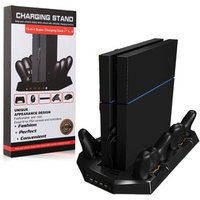
Game Console Charging Dock Vertical Stand for PlayStation 4 PS4 Play Station 4 PS 4
Alibaba UK

Ergonomic Wireless Mouse 2.4GHz Optical Vertical Mice with 3 Adjustable DPI
Alibaba UK

External Multifunctional Vertical Stand Cooling Fan Dual Controller Charger with USB Interface for PS4 PRO SLIM
Alibaba UK
Wholesale 400mah disposable vape pen rubberized body vertical ceramic coil heating disposable cbd oil vape pen
Alibaba UK

ARCTIC Xtender VG (Mirror Black) Premium E-ATX PC Case with Vertical GPU Mounting
Back to the Office