Contents (10 sections)
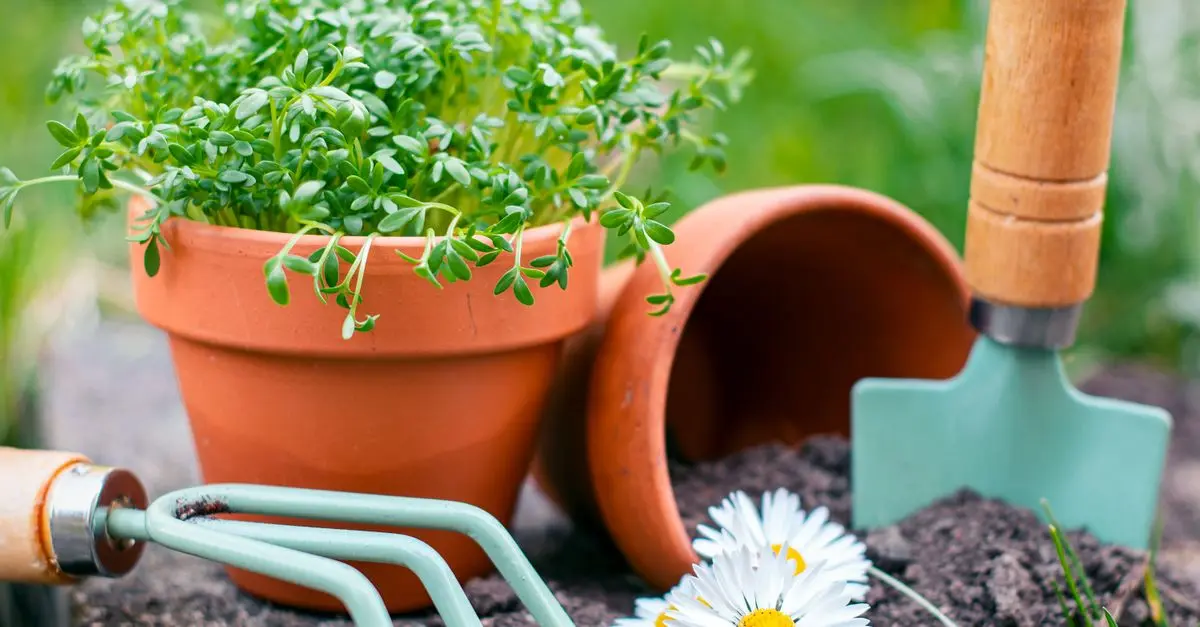
Creating a DIY herb garden at home can be both a fulfilling hobby and a practical way to enhance your culinary experiences. With the rising interest in home gardening, people are increasingly looking for ways to grow their own fresh herbs. Not only do these plants improve the taste of food, but they can also offer health benefits and enhance the aesthetic appeal of your space. This guide will provide you with all the necessary steps to set up your very own herb garden.
1. Choose the Right Location
Before starting your DIY herb garden, selecting the right location is crucial. Herbs thrive in sunny areas that receive at least 6 to 8 hours of sunlight each day. Whether you have a spacious backyard, a small patio, or even a windowsill, the site you choose should cater to the specific requirements of the herbs you intend to plant. For example, basil prefers full sun, while parsley can tolerate partial shade. Observe your chosen area throughout the day to determine the best sunlight exposure and avoid spots prone to strong winds or excessive moisture. Moreover, ensure the location allows for easy access to water and maintenance.
2. Select the Right Herbs
When it comes to choosing the herbs for your garden, consider their culinary uses and growth conditions. Beginners might want to start with easy-to-grow varieties such as basil, rosemary, thyme, and mint. According to the Royal Horticultural Society, these herbs are not only hardy but also versatile in the kitchen. For more advanced gardeners, consider growing herbs like coriander or tarragon, which may require more specific growing conditions. It’s also worth noting how these plants behave; for instance, mint tends to spread rapidly, so planting it in a confined space or pot can prevent it from overtaking your garden. Finally, make sure to have a mix of perennial and annual herbs for year-round availability.
3. Prepare the Soil
Strong soil is essential for a successful herb garden. Begin by selecting high-quality potting soil if you're using containers, or enrich your garden soil with organic matter if planting directly in the ground. Well-draining soil is a must, as most herbs dislike sitting in waterlogged conditions. You might consider adding sand or perlite to ensure good drainage. Test the pH level of your soil using a kit available at garden centres; a neutral pH (between 6.0 and 7.0) is ideal for most herbs. Additionally, consider adding compost for nutrients, which can enhance growth and health. Remember to till the soil to integrate these materials fully.
4. Planting Your Herbs
Once you’ve prepared the soil, it’s time to plant your herbs. This can be done either from seedlings or seeds, depending on your preference. If you choose seeds, plant them according to the provided depth guidelines on the packet, and space them appropriately to allow air-circulation. If you opt for seedlings, gently remove them from their containers and place them in the prepared soil, covering the roots without packing them too tightly. Water them lightly after planting to settle the soil around the roots. For container gardening, ensure that your pots have drainage holes and are not too small for the growth of the herbs you’ve chosen.
5. Caring for Your Herb Garden
Caring for your herb garden finds its roots in regular maintenance. Make sure to water your plants adequately, paying attention to their specific needs. Herbs like basil prefer consistent moisture, whereas others like rosemary thrive on a drier approach. Fertilize your herbs once a month during the growing season with a balanced organic fertilizer or compost tea. Additionally, trim your herbs regularly to promote bushier growth and prevent flowering, which can alter the flavours. Watch out for pests and diseases; organic pesticides are generally effective and better for your plants and the environment.
6. Harvesting and Using Your Herbs
Knowing when and how to harvest your herbs is vital to ensure peak flavour. Generally, you can start harvesting when the plants are established and have enough leaves to sustain themselves. Use scissors to snip the leaves, taking the outer leaves first and allowing the inner leaves to grow. Fresh herbs can be used in countless dishes, from salads to sauces. According to the National Gardening Association, homegrown herbs can significantly enhance the flavour profiles of your culinary creations. Remember to wash your herbs gently to remove any soil residues before use.
7. Common Mistakes to Avoid
Even seasoned gardeners can make mistakes when it comes to herbs. One common pitfall is overwatering; always check whether the soil is dry before watering again. Another error is neglecting to prune; if herbs are allowed to flower, their taste can become bitter. Additionally, planting herbs that are incompatible in the same space can hinder growth. For example, while basil and tomatoes grow well together, coriander can inhibit the growth of anise. Finally, ensure to educate yourself about potential pests that might invade your herbs and how to handle them organically.
Checklist for DIY Herb Garden
- [ ] Select a sunny location.
- [ ] Choose the right herbs based on climate and culinary use.
- [ ] Prepare the soil with organic compost.
- [ ] Plant seeds or seedlings correctly.
- [ ] Regularly care for and maintain the herbs.
- [ ] Harvest wisely to ensure continued growth.
📺 Resource Video
> 📺 For further insights: Watch this video on DIY herb gardening tips — a comprehensive visual guide. Search on YouTube: "how to grow herbs at home 2026"
Glossary
| Term | Definition |
|---|---|
| Herbs | Plants used for flavouring, food, medicine, or fragrance. |
| Compost | Organic material that is used to enrich soil. |
| Perennial | A plant that lives for more than two years and blooms in its growing season. |
---
📺 Pour aller plus loin : how to grow herbs at home 2026 sur YouTube
Recommended products
Selected by our experts

Orsina 2 Seat Rope Sofa, Rope Garden Sofa, Easy to Clean Grey Outdoor Sofa, Back & Armrest Rope Sofa Grey
debenhams.com

SBAOH P302 Portable Power Station with 60 W Solar Panel, 296 Wh Solar Generator with 300 W Output, Mobile Power Supply for Garden, Travel, Camping,
Gshopper

(grey pine, middle sofa) vidaXL Garden Middle Sofas Outdoor Sofa Sectional Sofa
onbuy.com


(grey pine, corner sofa) vidaXL Garden Middle Sofas Outdoor Sofa Sectional Sofa
onbuy.com