Contents (14 sections)
Table of Contents
- Introduction
- What are DIY Herbal Teas?
- Step-by-Step Guide to Brewing DIY Herbal Teas
- Step 1: Choose Your Ingredients
- Step 2: Prepare Your Ingredients
- Step 3: Brewing the Tea
- Step 4: Steeping Time and Temperature
- Step 5: Enhancing the Flavour
- Comparison of Herbal Tea Benefits
- 📺 Resource Video
- FAQ
- Glossary
- Checklist for Perfect Herbal Tea
Introduction
Incorporating herbal teas into your daily routine can elevate your wellness journey. Not only do they offer an array of health benefits, but brewing them at home brings the satisfaction of enjoying something truly handcrafted. DIY herbal teas are an ideal way to explore your taste preferences whilst embracing natural remedies.
What are DIY Herbal Teas?
DIY herbal teas are remarkable for their simplicity and versatility. Derived from a blend of herbs, spices, and botanicals, these teas are free from caffeine and abundant in health benefits. They serve various purposes, including soothing digestion, promoting relaxation, or boosting immunity. In 2026, with the increasing awareness of natural health solutions, DIY herbal teas have become popular. According to a report by Euromonitor International, the global herbal tea market is expected to surpass £2 billion in value due to their burgeoning popularity.
Step-by-Step Guide to Brewing DIY Herbal Teas
Step 1: Choose Your Ingredients
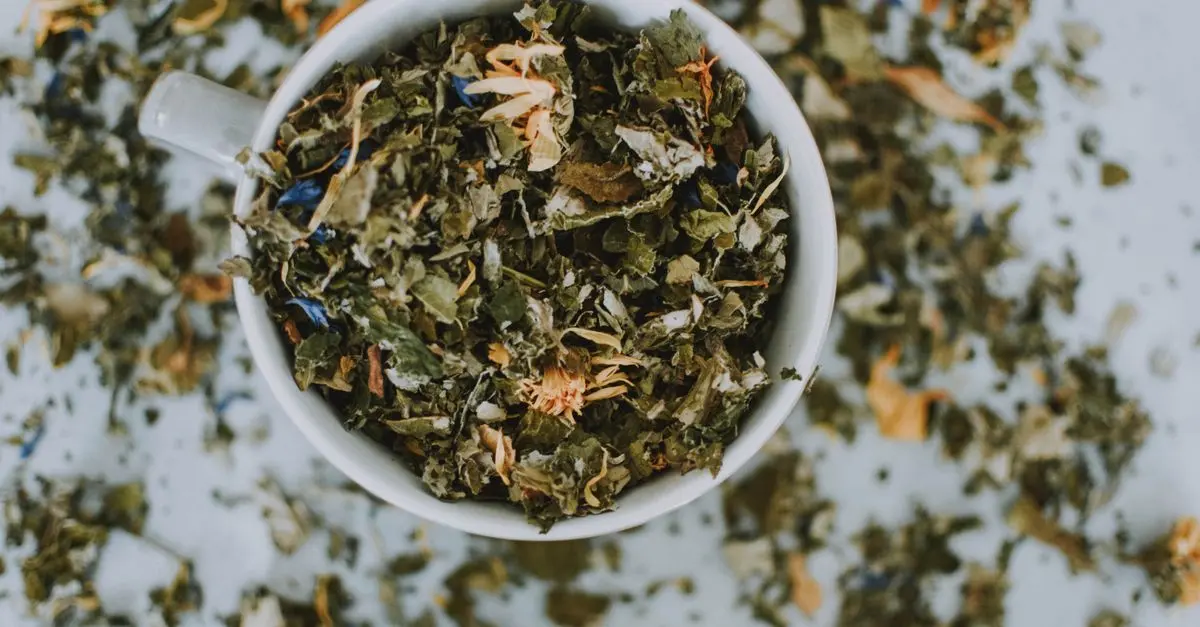
The first step in crafting herbal teas is selecting quality ingredients. Opt for organic herbs, ensuring they are free from pesticides and additives. Popular choices include chamomile, known for its calming effects, and peppermint, which aids digestion. The key is to balance flavours and potential benefits. Exploring farmer's markets or reputable online suppliers can provide you with high-quality, fresh ingredients.
Step 2: Prepare Your Ingredients
Once you have your herbs, prepare them by washing and drying to eliminate any dirt or residues. For instance, if using fresh mint leaves, ensure they are well-rinsed before gently drying them. Dry herbs like lavender may need crushing to release flavour. Creating a well-prepared mix can enhance the potency and flavour of your brew.
Step 3: Brewing the Tea
Begin by measuring the right amount of herbs. As a general guideline, use about one teaspoon of dried herbs per cup of water, or double if using fresh herbs. Place the herbs in a tea infuser or directly in a teapot. Pour hot, not boiling, water over them, allowing the herbs to infuse their natural properties.
Step 4: Steeping Time and Temperature
Steeping your tea correctly is crucial. On average, let herbal teas steep for about 5 to 10 minutes. The temperature should be around 90°C. Avoid boiling water, as it might scorch the delicate leaves. Timing may vary based on the herbs, so it's essential to test and adjust to personal taste preferences.
Step 5: Enhancing the Flavour
Enhancing flavour can turn your cup of tea into an experience. Consider adding natural sweeteners like honey or agave for taste richness. Also, incorporating a slice of lemon or a pinch of ginger can amplify flavours and add nutritional benefits. Experimenting with additional ingredients allows for a tailored tea experience.
Comparison of Herbal Tea Benefits
| Plant | Benefit 1 | Benefit 2 | Best Used For
| Chamomile | Soothes anxiety | Aids sleep | Evening relaxation |
| Peppermint | Eases digestion | Reduces headaches | After meals |
| Ginger | Alleviates nausea | Anti-inflammatory | Cold relief |
📺 Resource Video
> 📺 For further exploration: A comprehensive look into creative herbal tea blends. Search YouTube for: "DIY herbal tea recipes 2026"
- What are the benefits of herbal tea?
Herbal teas offer a variety of health benefits, including improved digestion, reduced stress, and better sleep quality.
- How long should I steep herbal tea?
Herbal teas should generally be steeped for 5 to 10 minutes to extract optimal flavour and benefits.
- Can I use fresh herbs for tea?
Yes, fresh herbs can be used and are often preferred for their vibrant flavour profiles.
- Are there any side effects of herbal teas?
Though generally safe, some herbs may cause allergies or interact with medications. Always consult with a healthcare provider.
Glossary
| Term | Definition |
|---|---|
| Infuser | A device used to steep loose tea leaves. |
| Steeping | The process of soaking tea in water to extract flavours. |
| Tannins | Naturally occurring compounds in tea that can affect taste. |
🧠 Quiz rapide : Quelle plante est connue pour aider à la digestion ?
- A) Chamomile
- B) Peppermint
- C) Lavender
Réponse : B — Peppermint is well-recognised for aiding digestion.