Contents (18 sections)
Table of Contents
- Introduction
- Why Crafting with Kids?
- Simple Craft Projects
- Paper Plate Animals
- Homemade Playdough
- Recycled Crayon Shapes
- DIY Rainbow Kites
- Nature Collage Art
- Simple Bead Bracelets
- Cardboard Puppet Theatre
- Painted Rock Creatures
- Comparative Table: Material vs. Skill
- Analysing the Benefits of Crafting
- 📺 Video Resource
- FAQ
- Glossary
- Checklist Before Crafting
Introduction
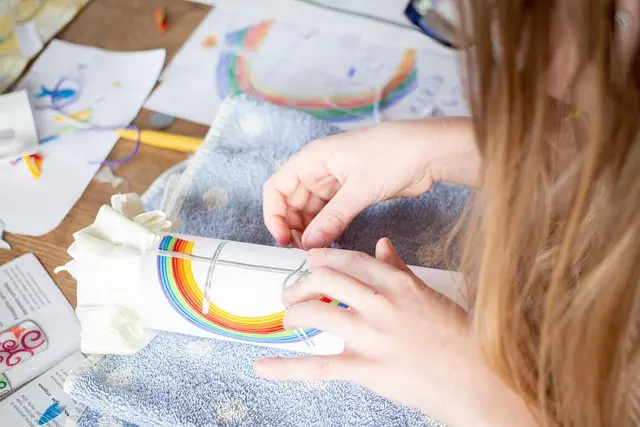
Crafting with kids is a valuable way to inspire creativity, improve fine motor skills, and foster a sense of achievement. By engaging children in simple DIY projects, parents contribute to their child's development in an enjoyable way. In this article, we explore some fun and easy crafting ideas that will capture children's imaginations and provide valuable skills.
Why Crafting with Kids?
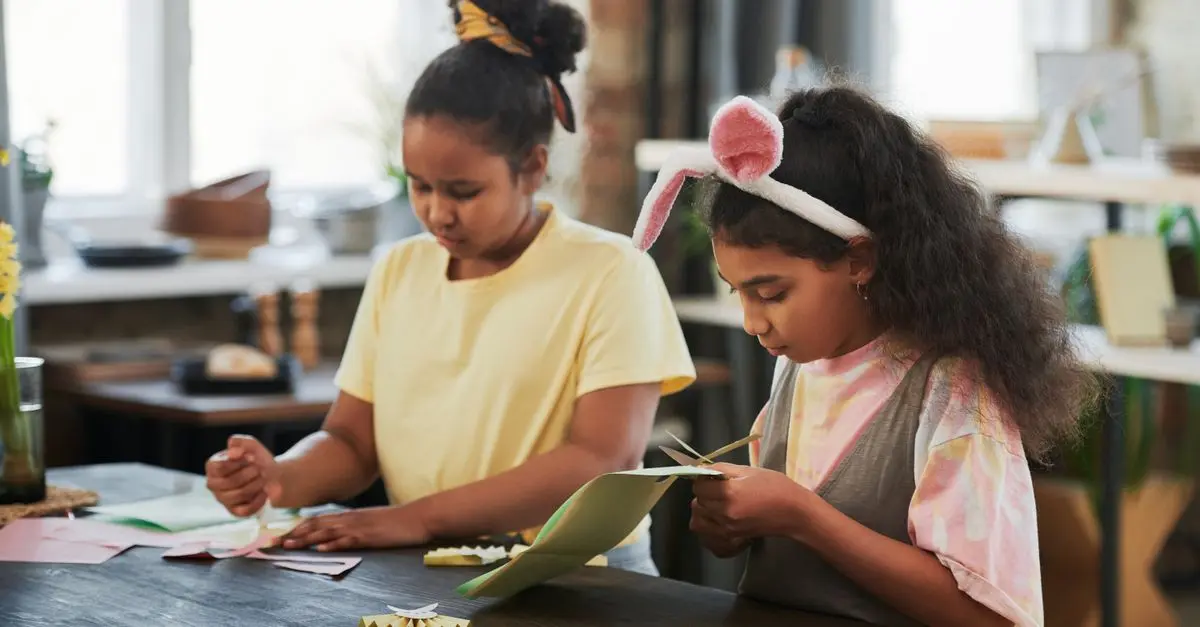
Crafting offers more than just fun; it provides essential educational benefits that cater to children's holistic development. According to a report by The Royal Society of Arts, crafting helps enhance children's problem-solving skills, boosts their spatial awareness, and encourages the development of fine motor skills. As reported by parents and educators, children engaged in creative activities show a marked improvement in their focus and patience, which are fundamental to academic success. Additionally, crafting can also act as a bonding activity, strengthening the emotional connection between parents and children through shared creativity and accomplishment.
💡 Expert Insight: Crafting allows children to explore new textures, colours, and techniques, greatly enhancing their sensory and cognitive development.
Simple Craft Projects
1. Paper Plate Animals
Paper plate animals are an excellent project for young children, mixing creativity with basic motor skill improvement. Begin with a simple paper plate, some paint, and markers. Guide your children in creating various animals, such as lions, fish, or even ladybirds. This activity not only teaches them about different animals but also about using colours and shapes creatively.
2. Homemade Playdough
Making playdough from scratch at home provides an enjoyable, hands-on experience. Use flour, salt, water, and food colouring to create a soft, malleable dough. Kids delight in choosing their colours and shaping the dough into imaginative figures. This project is perfect for a rainy day, offering a couple of hours of entertainment and learning.
3. Recycled Crayon Shapes
Gather those broken crayons and put them to good use by melting them into new, fun shapes. Using silicone moulds, allow children to create crayons in forms they love, such as stars or animals. This activity teaches recycling and creativity, showcasing how old materials can be reinvented into something exciting and useful.
4. DIY Rainbow Kites
Kite-making is not only a delightful activity but also introduces children to basic engineering concepts. Using papers, sticks, and string, kids can design and assemble colourful kites. On a windy day, flying their homemade kites instils joy and a sense of accomplishment.
5. Nature Collage Art
Turn a nature walk into a crafting opportunity by collecting leaves, twigs, and flowers. These can be used to create stunning natural collages. It’s a fantastic way of teaching children about various plant species and seasons while also respecting and understanding nature's beauty.
6. Simple Bead Bracelets
Introduce children to the art of jewellery making with bead bracelets. Offer a variety of beads and elastic string, and allow the kids to design their bracelets. This activity enhances fine motor skills and colour recognition, all while letting their style shine.
7. Cardboard Puppet Theatre
Create a mini puppet theatre using a cardboard box and some craft sticks. Help children design their puppets with felt, markers, and yarn. They can script and perform their plays, promoting storytelling skills and creativity.
8. Painted Rock Creatures
This activity combines nature exploration with art. Collect smooth rocks, then paint them into vibrant creatures. Kids can let their imaginations run wild, crafting anything from creepy-crawly bugs to charming pets. It's a unique way to spark their creativity while enjoying the outdoors.
Comparative Table: Material vs. Skill
| Craft Project | Materials Needed | Skills Developed | Suggested Age |
|---|---|---|---|
| Paper Plate Animals | Paper plates, paint, markers | Creativity, colour use | 3-6 |
| Homemade Playdough | Flour, salt, food colouring | Sensory, mixing | 2-5 |
| Recycled Crayon Shapes | Crayon bits, silicone moulds | Recycling, imagining | 4-8 |
| DIY Rainbow Kites | Paper, sticks, string | Design, patience | 6-9 |
📺 Video Resource
> 📺 For more inspiration: Discover Creative Crafts for Children, a comprehensive exploration of engaging crafting activities. Search YouTube: "creative crafts for children 2026".
- What are some easy crafting ideas for kids?
Simple projects such as paper plate animals or homemade playdough often engage kids effectively.
- How does crafting benefit children?
Crafting enhances creativity, improves fine motor skills, and aids emotional development.
- What materials are commonly needed for crafting with kids?
Common materials include paper, paint, markers, and recycled materials like old crayons.
- At what age can children start crafting?
Crafting can begin as early as age two, with parents providing supervision and appropriate projects.
Glossary
| Term | Definition |
|---|---|
| Fine Motor Skills | The coordination of small muscles, in movements |
| Silicone Moulds | Flexible containers used to shape melted substances |
| Spatial Awareness | Understanding of the position of objects in space |
- [ ] Gather necessary materials (paper, markers, etc.)
- [ ] Select a craft project suitable for the age group
- [ ] Prepare a clean and safe crafting space
- [ ] Encourage children’s ideas and creativity
- [ ] Plan a post-crafting clean-up activity
🧠 Quiz rapide : What is a benefit of crafting with kids?
- A) Advanced mathematical skills
- B) Enhanced creativity and fine motor abilities
- C) Immediate reading proficiency
Réponse : B — Crafting enhances creativity and fine motor skills through hands-on projects.