Contents (9 sections)
Choosing the right sewing machine can significantly enhance your DIY projects. Whether you're a beginner or an experienced seamstress, understanding the features and benefits of different machines is crucial. This comprehensive guide will walk you through everything you need to make an informed choice, ensuring your projects are both efficient and enjoyable.
Understanding Sewing Machine Types
When shopping for a sewing machine, you'll encounter several types. Mechanical machines are typically simpler and more affordable, suitable for basic tasks. They have fewer features but are excellent for beginners who might only need to make simple stitches.
On the other hand, electronic machines offer a range of programmable features and a wide variety of stitches. They are ideal for more complex projects and offer convenience for sewers who appreciate precise control and automation. Computerised models take this a step further by integrating with software for intricate designs and embroidery.
💡 Avis d'expert: For hobbyists who frequently work with different materials, investing in a computerised model can save time and effort by easily customising settings for each fabric type.
Key Considerations When Choosing a Sewing Machine
When selecting a sewing machine, certain factors are vital. Your budget will naturally influence your choice. Basic models start at reasonable prices, whereas advanced machines with numerous features could be more costly. It's essential to weigh the cost against your needs and skill level.
Consider the types of fabrics you'll be working with. Machines with adjustable presser foot pressure are excellent for different fabric thicknesses. Additionally, the stitch selection is crucial. Basic models might offer 6 to 10 stitches, while advanced ones can provide hundreds, including decorative and stretch stitches.
Maintenance is another consideration. Some machines require regular servicing to maintain performance, while others are built to be low-maintenance.
Comparing Features: Table of Sewing Machines
Here's a comparison of some features you might look for when choosing a sewing machine:
| Feature | Mechanical Machines | Electronic Machines | Computerised Machines |
|---|---|---|---|
| Stitch Variety | Limited (6-20) | Moderate (30-100) | Extensive (100+) |
| Ease of Use | Simple Manual | Moderate | Advanced |
| Cost | Lower | Moderate | Higher |
| Feature Set | Basic | Moderate | Advanced |
| Verdict | Best for Beginners | Versatile Users | Pro & Hobbyists |
📺 Pour aller plus loin: Comprehensive Guide to Choosing a Sewing Machine in 2026, an analysis on selecting the perfect machine. Recherchez sur YouTube : "choosing sewing machine 2026 guide".
Most Important Features to Look For
While brand preference can vary, essential features remain consistent. An automatic needle threader can save time and frustration, especially for those with fine dexterity issues. A drop-in bobbin is intuitive for rethreading and generally reduces jams.
Consider the sewing speed, which can range significantly. Faster machines are beneficial for larger projects, reducing sewing time. However, speed control is vital to ensure secure handling for intricate tasks.
- What is the best sewing machine for a beginner?
A mechanical or basic electronic machine is ideal for beginners as they are simple to use and cost-effective.
- How often should I service my sewing machine?
It is generally recommended to service your machine once a year, depending on use frequency.
- Can I use a household sewing machine for heavy fabrics like denim?
Yes, but ensure your machine can adjust presser foot pressure and that you use appropriate needles for thick materials.
- Is a computerised sewing machine worth the cost?
If you require precision and a variety of stitches, a computerised machine can be a worthy investment.
Glossary
| Term | Definition |
|---|---|
| Bobbin | The spool holding the bottom thread in sewing. |
| Fabric Feed | Mechanism that moves fabric through the machine. |
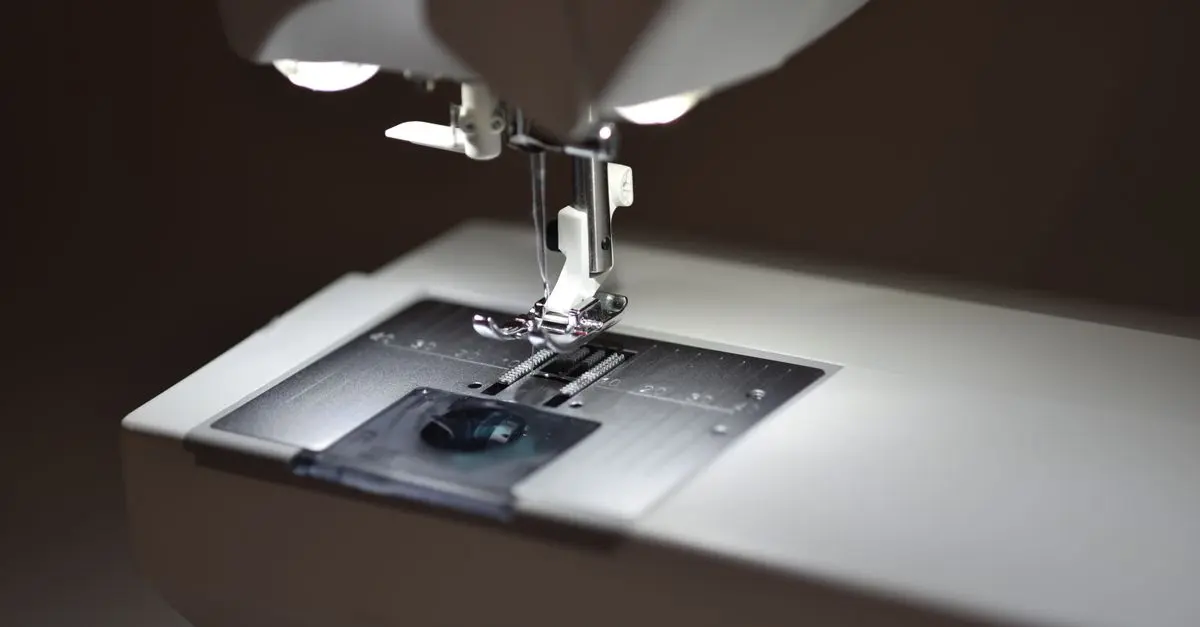
| Presser Foot | Holds fabric in place as it is being sewn. |
- [ ] Determine your budget.
- [ ] Decide on the type of machine based on your sewing needs.
- [ ] Consider the fabrics you will work with frequently.
- [ ] Evaluate necessary features such as stitch variety and speed.
- [ ] Check for user-friendly features like automatic threading.
Selecting a sewing machine is a personal journey that can be tailored to your specific crafting goals. With this guide, you're now equipped to make a decision that suits your unique DIY ambitions.