Contents (10 sections)
Introduction
In decorating your home, choosing between handmade or store-bought decor can be a significant decision. Handmade items offer a unique personal touch, while store-bought decor often provides convenience. Understanding the benefits of each helps in making a more informed decision.
Personalisation and Uniqueness
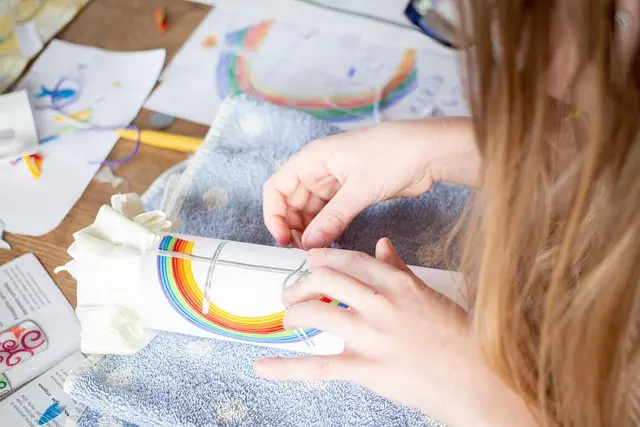
Handmade decor items are unmatched in terms of personalisation. Each piece can be tailored to suit individual tastes and home styles. For instance, crafting a living room centrepiece allows you to integrate colours and materials that perfectly match your decor theme. Handmade options are ideal for those seeking a distinctive look without the limitation of a retailer's inventory. Dedicating time to create or commission an art piece means ensuring it aligns with your personal aesthetic, providing a talking point for guests.
Store-bought items, conversely, are mass-produced, leading to a lack of originality. While convenient, they often fall short of expressing personal taste. Thus, for those prioritising personalisation and uniqueness, handmade decor is the superior choice.
Cost-Effectiveness
Handmade decor can often be more cost-effective, especially for DIY enthusiasts. Crafting your own decor usually involves an upfront investment in materials, but these can be more economical than purchasing high-end store items. For example, creating a bespoke wall hanging from sustainable wood can be less expensive than acquiring a similar design from an upscale retailer.
Store-bought decor might initially seem more affordable due to bulk production, but the uniqueness and personal satisfaction that handmade items provide often outweigh the initial cost savings. Additionally, DIY options open the door to recycling and upcycling materials, further reducing expenses.
Craftsmanship and Quality
The quality and craftsmanship of handmade decor typically surpasses that of store-bought options. Handmade items are often produced with meticulous attention to detail. Consider a hand-knitted cosy throw: each stitch is crafted with care, offering superior comfort compared to factory-produced alternatives.
Store-bought products may suffer from quality inconsistencies due to mass production techniques prioritising speed over precision. Handmade decor, crafted with dedication and skill, provides durability and longevity, making it a worthy investment for any home.
Environmental Impact
Choosing handmade items can have a positive effect on the environment, primarily due to the materials used and the production processes followed. Handmade decor often involves the use of sustainable materials, such as reclaimed wood or organic fibres, reducing the carbon footprint associated with producing new goods.
Store-bought products, however, frequently rely on non-renewable materials and involve extensive transportation emissions. Supporting local artisans or investing time in your own creations can help contribute to a more sustainable future.
💡 Avis d'expert: Opting for handmade decor not only supports local artisans but also ensures a reduction in environmental impact through sustainable practices and thoughtful craftsmanship.
📺 Resource Video
> 📺 To Explore Further: Discover the Art of Handmade vs. Store-Bought Decor, offering a comprehensive visual guide on the subject. Search YouTube: “handmade decor ideas vs store-bought comparisons”.
- What are some benefits of handmade decor in terms of personalisation?
Handmade decor is highly customisable, allowing your creativity to shine through unique designs tailored to your tastes.
- Is handmade decor more expensive than store-bought alternatives?
While initial material costs may vary, handmade decor can often be more cost-effective due to the potential for upcycling and personal satisfaction.
- How do environmental factors differ between handmade and store-bought decor?
Handmade items typically use more sustainable materials and practices, reducing their environmental footprint compared to mass-produced store-bought items.
- Why is craftsmanship often superior in handmade decor?
Handmade creations involve skilled artisanship, ensuring meticulous attention to detail and higher quality than factory-produced goods.
Glossary
| Term | Definition |
|---|---|
| Handcraft | The art of crafting items manually, emphasising artistry and skill. |
| Upcycling | The process of transforming waste materials into new products. |
| Sustainable materials | Resources sourced and utilised in a way that does not deplete them. |
Checklist Avant Achat
- [ ] Evaluate the level of personalisation needed for your decor.
- [ ] Consider the environmental impact of materials used.
- [ ] Compare the initial and long-term costs of handmade versus store-bought items.
- [ ] Assess the quality and durability of potential decor choices.
- [ ] Identify preferred styles and themes for harmony within your home.
🧠 Quiz rapide: What's a significant benefit of handmade decor over store-bought options?
- A) More reliable warranty
- B) Unique personalisation
- C) Lower initial cost
Réponse : B — Handmade decor offers unique personalisation, perfectly suited to individual preferences.