Contents (14 sections)
DIY projects have become a beloved pastime for many individuals across the UK. With the right tips and tricks, anyone can transform their ideas into reality, enhancing their home and personal enjoyment. This guide will outline 10 essential tips to ensure your DIY projects are successful, avoiding common pitfalls and maximizing enjoyment.
1. Choose the Right Project
Before diving into a DIY venture, it’s essential to select a project that matches your skill level and interests. Whether you’re altering furniture, creating art, or tackling home repairs, having a clear objective helps you focus your efforts. Ensure the project aligns with your personal tastes and the tools at your disposal—this will keep motivation high and frustration low.
2. Gather Your Tools and Materials
Once you've settled on a project, make a comprehensive list of all necessary tools and materials. This can significantly reduce unnecessary trips to the store and help you stay organised. For instance, if you are painting a room, gather brushes, tape, and drop cloths beforehand. Investing in high-quality tools can also lead to better results, so consider items that facilitate precision and ease of use.


3. Research Before You Start
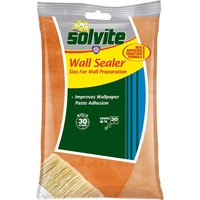
In the digital age, information is at your fingertips. Utilize platforms like YouTube and home improvement blogs for tutorials and inspiration. Look for information specific to your project type, including tips on techniques or common mistakes. For example, if you’re planning to install wallpaper, understanding the best adhesives and preparation methods is crucial. This preparation can save time and enhance the overall quality of your work.
4. Create a Proper Workspace
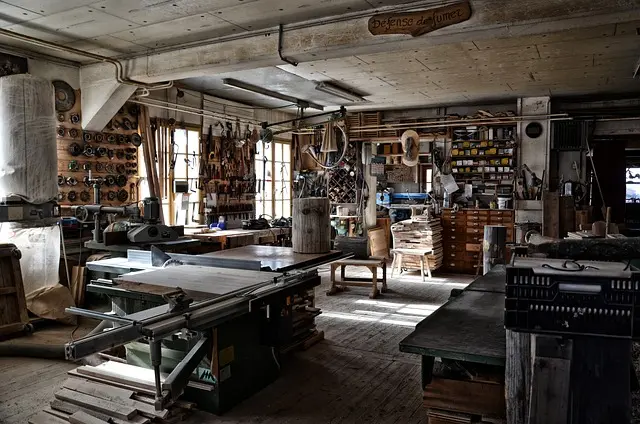
An organised and well-lit workspace is critical for successful DIY projects. Ensure your area is free from distractions and clutter. Set up your tools in an orderly fashion and have a workbench or table that can accommodate your project size. A dedicated space can improve focus and efficiency, ultimately leading to a more enjoyable experience.
5. Take Your Time
Rushing through a project often results in mistakes. Allocate ample time to complete your DIY tasks without feeling pressured. Break the project into smaller, manageable tasks if necessary. This method not only reduces errors but also allows for creativity and adjustments along the way, leading to a higher-quality outcome.
6. Test Before You Commit
Before applying any permanent finishes, conduct tests. For example, if you’re painting a piece of furniture, try the colours on a small area first. Testing different methods or materials can also lead to new techniques or unexpected positive results. This exploratory approach helps in tailoring the project to your unique taste.

Mini projects in electronics solar system mobile power bank charger for samsung galaxy s3
Alibaba UK

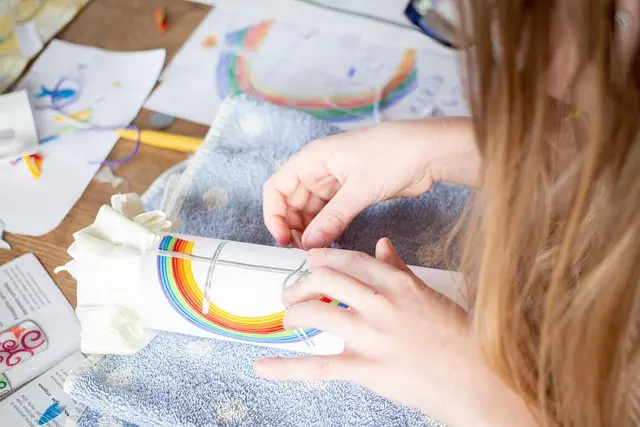
National Gallery Make Art: 20 free-play art projects to create
nationalgallery.co.uk
7. Stay Safe
Safety should always take precedence in any DIY project. Wear appropriate safety gear such as goggles, gloves, and masks when necessary. Read the instructions for any tools or products you’re using to avoid accidents. For instance, knowing how to use a saw or drill correctly can prevent injuries and ensure better results. Always be prepared and prevent unintended mishaps by understanding the risks involved.
8. Embrace Mistakes
Remember that mistakes are a part of the learning process. If something goes wrong, take a moment to assess the situation rather than getting frustrated. Many successful DIY enthusiasts have stories of how they turned errors into unique features. This mindset can transform a setback into a stepping stone for improvement and creativity.
9. Plan for Clean-Up
After completing your project, take a moment to clean your workspace and tools. A clean environment is paramount not just for safety, but also for the longevity of your tools. Dispose of any waste responsibly, especially hazardous materials. A thorough clean-up ensures you can quickly transition into your next DIY adventure, maintaining an enjoyable hobby without excess mess.
10. Share Your Success
Finally, once your project is complete, don’t hesitate to share your accomplishment! Whether through social media, home improvement forums, or with friends and family, sharing your work can inspire others. Plus, receiving feedback can enhance your skills and motivate you for future projects.
Checklist before you start your DIY Project
- [ ] Choose an appropriate project for skill level
- [ ] Gather all necessary tools and materials
- [ ] Conduct research on techniques
- [ ] Set up a clean and safe workspace
- [ ] Allocate adequate time for the project
- [ ] Test methods or materials before committing
- [ ] Stay safe with proper gear
- [ ] Embrace and learn from mistakes
- [ ] Clean workspace and tools post-project
- [ ] Share your completed project with others
Glossary
| Term | Definition |
|---|---|
| DIY (Do It Yourself) | Projects individuals undertake at home to improve or create something without professional assistance. |
| Workspace | The physical area set up for performing tasks related to DIY projects, ideally organized and equipped with necessary tools. |
| Materials | The items required to complete a project, such as wood, paint, tools, and adhesives. |
> 📺 For further insight: Check out DIY Project Essentials, an engaging overview of the best practices in DIY. Search for "successful DIY projects 2026" on YouTube to find helpful tutorials.
📺 Pour aller plus loin : successful DIY projects 2026 sur YouTube
Recommended products
Selected by our experts

10 inch IPS1280*800 Octa core Android 7.0 tablet pc , 10 inch electromagnetic 64GB write tablets for projects
Alibaba UK
National Gallery Make Art: 20 free-play art projects to create
nationalgallery.co.uk
National Gallery Make Art: 20 free-play art projects to create
nationalgallery.co.uk