Contents (14 sections)
Embarking on a DIY journey can be both exciting and daunting for beginners. The prospect of creating something from scratch is immensely rewarding, yet the potential for mistakes can be intimidating. This guide provides 10 essential tips for beginner DIY projects that will help you navigate your new hobby with confidence.
1. Start with Simple Projects
Building your confidence is crucial as a beginner. Start with simple tasks such as creating a birdhouse or painting a room. These projects require fewer tools and materials, making them perfect for novices. Simple projects have a higher success rate and allow you to familiarise yourself with various tools and techniques without feeling overwhelmed. For instance, try painting a small wooden box before diving into larger wall painting jobs. By mastering basic skills, you can gradually progress to more complex tasks, such as furniture restoration or home renovations.
2. Gather Essential Tools
Having the right tools is vital in any DIY project. Start with a basic toolkit that includes a tape measure, utility knife, screwdrivers, a hammer, and a cordless drill. As you gain experience, you can invest in more specialised tools, such as a sander or a paint sprayer. Make sure to also have safety equipment, like goggles and gloves. According to DIY experts, using the correct tools not only makes the work easier but also enhances the safety of your projects. UFC-Que Choisir suggests regularly maintaining tools to ensure they remain in good working condition, extending their lifespan and ensuring safety during use.


Nice price for beginner drone Mini JJRC H36 RC Quadcopter 2.4GHz 4CH 6 Axis Gyro Drones with Headless Mode
Alibaba UK

3. Plan Your Project
Before you kick off a DIY task, take the time to plan. This includes sketching your project, estimating costs, and selecting materials. Always create a list of required materials before heading to the store. Planning helps prevent budget overruns and allows you to source everything you need in advance. Additionally, it can save you time in the long run, as you will minimise the number of trips to the hardware store. Stay organised by taking notes or using digital planning apps to keep track of your materials and deadlines.
4. Understand Basic Measurements and Cuts
Accurate measurements are crucial for any DIY project. Invest your time in learning how to properly measure and mark dimensions. Familiarise yourself with cutting techniques, which will vary depending on the material (wood, metal, etc.). Mistakes in measurements can lead to wasted materials and time. According to Les Numériques, understanding how to measure accurately can significantly improve your overall results. Use clear marking tools and keep your measurements consistent to ensure a precise fit.
5. Seek Online Resources and Communities
The internet is a treasure trove of resources for DIY enthusiasts. Websites, blogs, and platforms like YouTube offer countless tutorials and forums where you can connect with other DIYers. Take advantage of these resources to broaden your knowledge and learn new techniques. Online communities can provide support, answer your questions, and inspire your creativity. Engaging with others in shared spaces can also enhance your motivation and keep you accountable throughout your DIY journey.
6. Embrace Mistakes as Learning Opportunities
Mistakes are part of the learning process in DIY. Don’t let setbacks discourage you; instead, view them as opportunities for growth. As UFC-Que Choisir notes, many experienced DIYers have encountered mishaps that taught them valuable lessons. Whether it’s a miscalculated measurement or a painting error, take time to analyse what went wrong and how you can improve next time. Building resilience will help you tackle future projects with greater confidence.


Fox Eye Publishing Children Introduction To Science For Beginners (Series 1) 10 Hardback Book collection Set: (Astronomy, Electricity, Food Chains,
books4people.co.uk

7. Experiment and Innovate
Once you feel comfortable with simple DIY tasks, start experimenting with your skills and materials. Consider combining different projects or techniques to create something unique. For example, try upcycling old furniture by adding your personal touch through paint and embellishments. This experimentation not only boosts your creativity but also allows you to tailor your projects to your personal style. Furthermore, incorporating innovative solutions can often lead to delightful surprises in your DIY creations.
8. Stay Organised and Tidy
A cluttered workspace can hinder your progress and lead to accidents. Keep your tools and materials organised, and clean your workspace regularly to ensure a safe and efficient environment. Designate specific areas for tools, materials, and completed projects. A clean space fosters a clear mind, allowing for greater focus and creativity during DIY tasks. According to many DIY experts, a tidy workspace can also prevent loss of materials and significantly reduce project frustrations.
9. Join Local Classes or Workshops
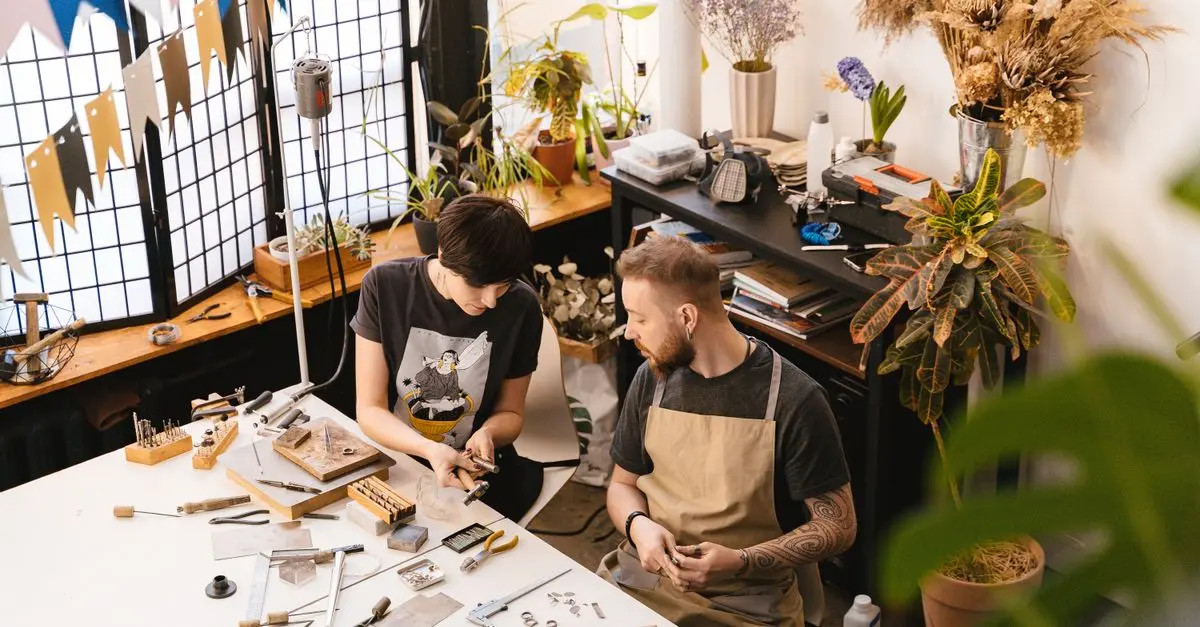
If you prefer hands-on guidance, consider joining local DIY classes or workshops. These sessions can provide invaluable insight and expertise from experienced instructors. Many community centres or hardware stores offer classes on specific skills such as woodworking, painting, or sewing. Engaging with others in a classroom setting can help boost your confidence and skills efficiently. Additionally, hands-on learning allows you to receive immediate feedback and support from instructors.
10. Celebrate Small Wins
Every achievement counts, no matter how small. Celebrate your completed projects, even if they’re minor. Acknowledging your successes will keep you motivated and eager to tackle new challenges. Share your completed projects with friends, family, or online communities to garner positive feedback and encouragement. Remember, the journey of DIY is not just about the end result but the skills and confidence you build along the way.
Checklist before you start
- [ ] Plan your project and gather materials
- [ ] Invest in essential tools
- [ ] Experiment with simple projects first
- [ ] Keep your workspace tidy
- [ ] Engage with online tutorials or local workshops
Glossary
| Term | Definition |
|---|---|
| DIY (Do It Yourself) | The practice of creating, building, or repairing things independently without professional assistance. |
| Upcycling | The process of transforming old or discarded materials into new products of better quality or environmental value. |
| Tool Maintenance | The regularly scheduled cleaning and servicing of tools to ensure optimal performance and longevity. |
📺 Ressource Vidéo
> 📺 Pour aller plus loin : Comment commencer des projets DIY facilement, une analyse complète de l'initiation au DIY. Recherchez sur YouTube : début DIY pour les novices.
📺 Pour aller plus loin : début DIY pour les novices sur YouTube
Recommended products
Selected by our experts

Fox Eye Publishing Children Introduction To Science For Beginners (Series 1) 10 Hardback Book collection Set: (Astronomy, Electricity, Food Chains,
books4people.co.uk

Fox Eye Publishing Children Introduction To Science For Beginners (Series 1) 10 Hardback Book collection Set: (Astronomy, Electricity, Food Chains,
books4people.co.uk

Fox Eye Publishing Children Introduction To Science For Beginners (Series 1) 10 Hardback Book collection Set: (Astronomy, Electricity, Food Chains,
books4people.co.uk